rPET Supply for Sheikhupura Fibre Plants: Grades, Testing & Monthly Supply
Which rPET grade suits which fibre product, how to accept lots consistently, and how Sheikhupura plants can secure supply that holds through winter.
Straight answers to the questions procurement and quality teams ask about recycled PET flakes — grades, quality, compliance, pricing and the Pakistan market.
Plain-English definitions of every term you’ll meet buying rPET flakes or selling PET bottles — from IV and PVC ppm to crush, tare and FOB.
Read article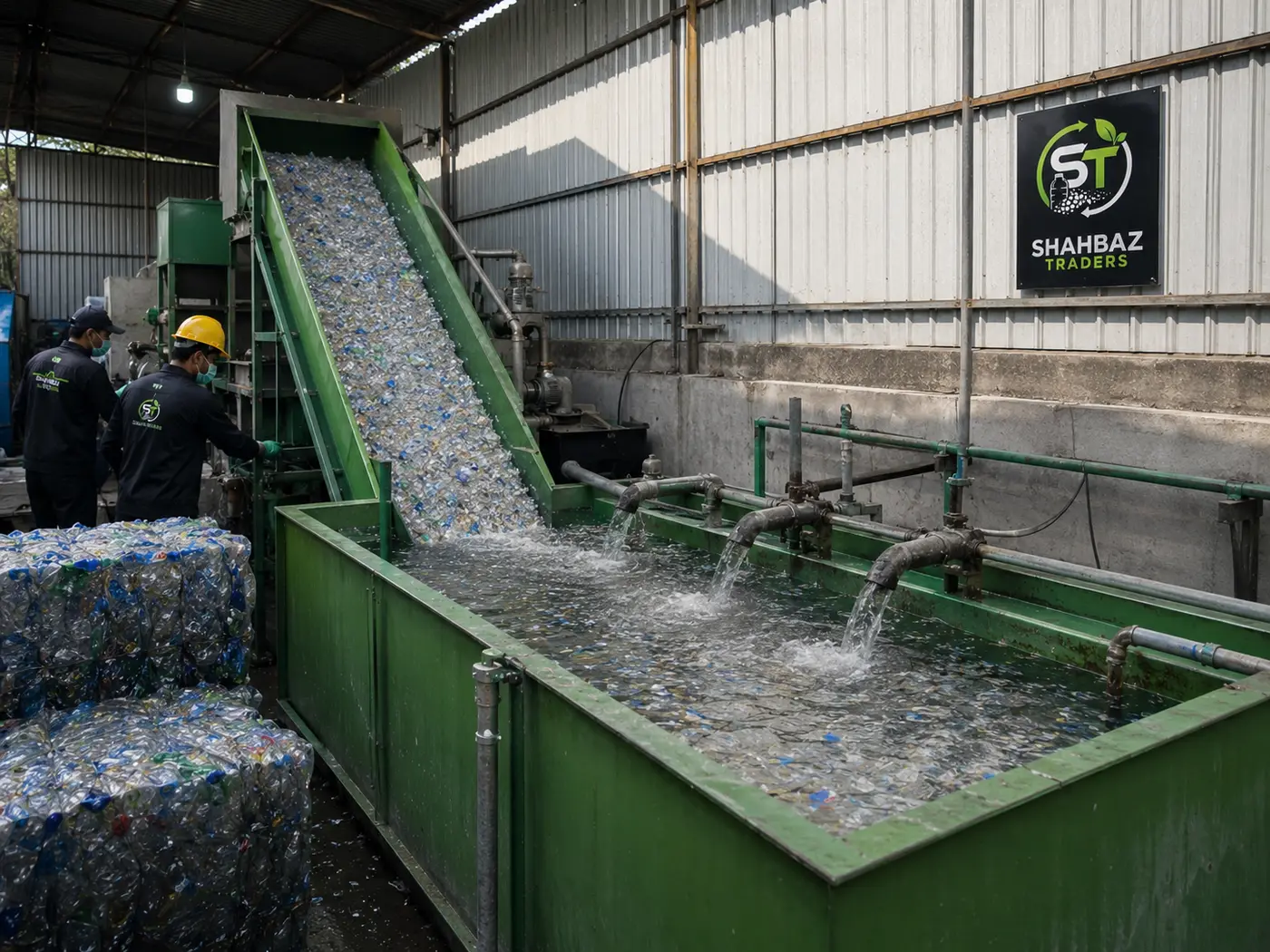
Which rPET grade suits which fibre product, how to accept lots consistently, and how Sheikhupura plants can secure supply that holds through winter.
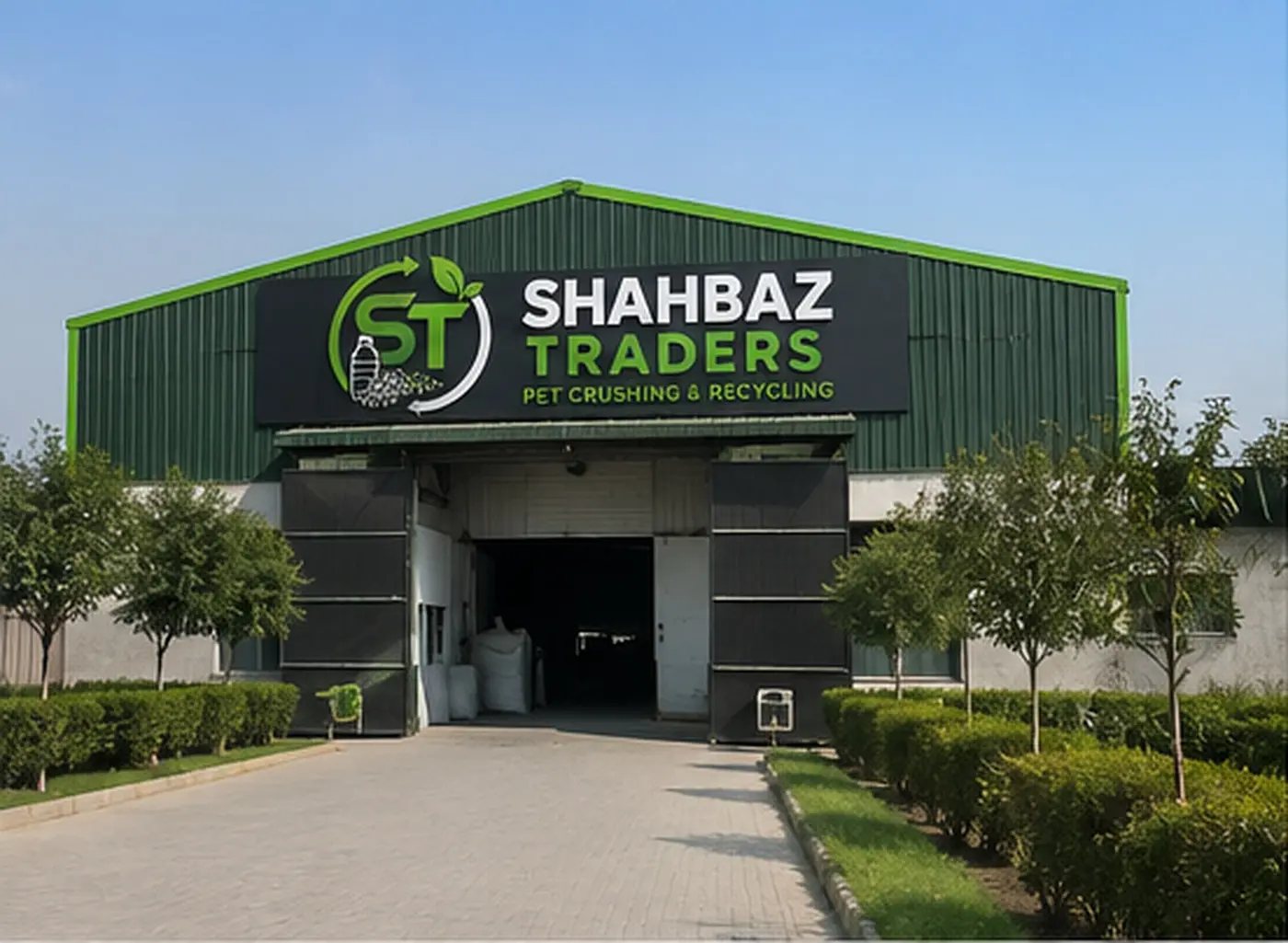
Where we are on Okara Bypass, when we’re open, what we buy, and exactly what happens when you bring PET bottles to our yard.
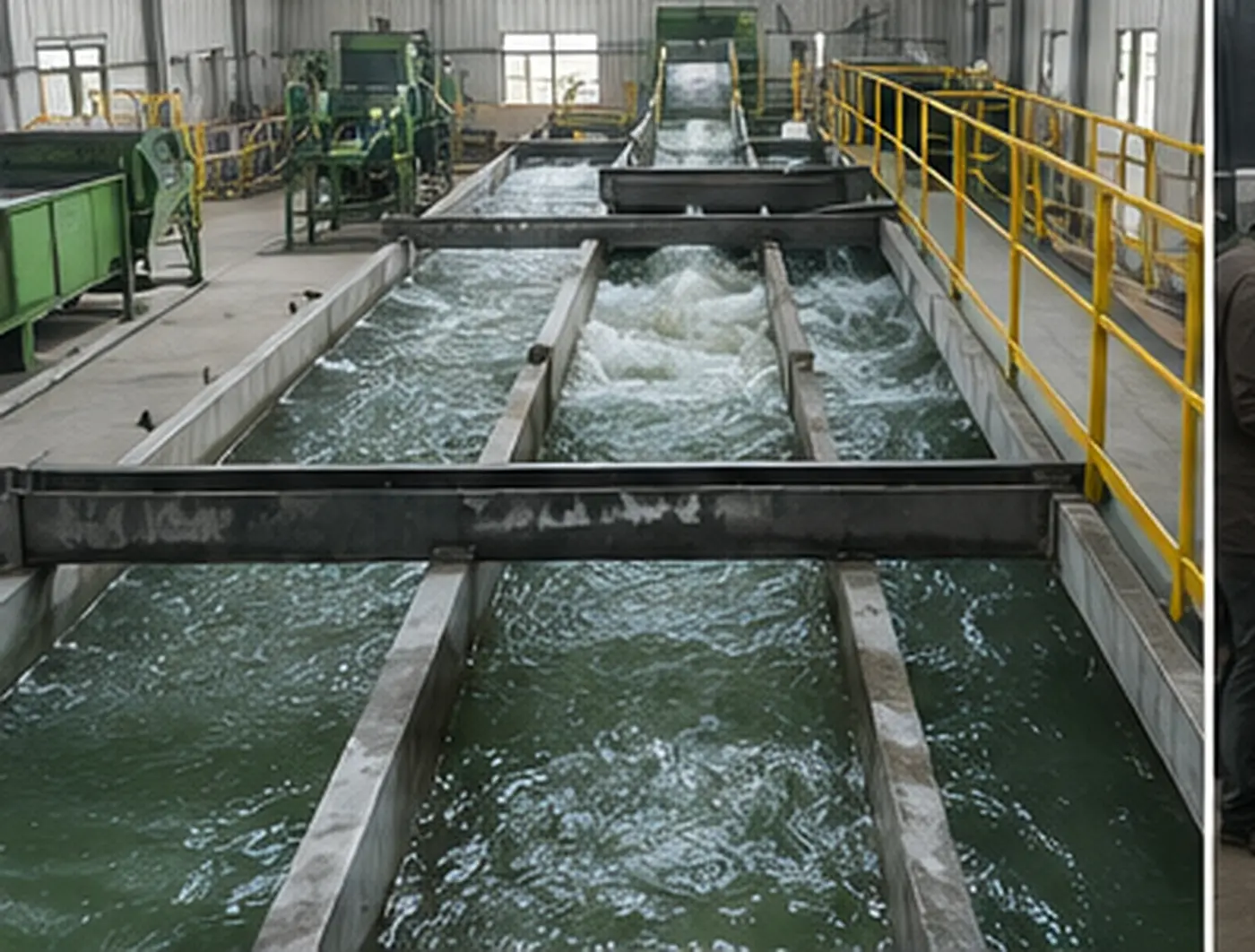
For Lahore’s PET strap makers: the flake properties behind strap strength and breakage, how to qualify recycled flake, and what to ask a supplier.
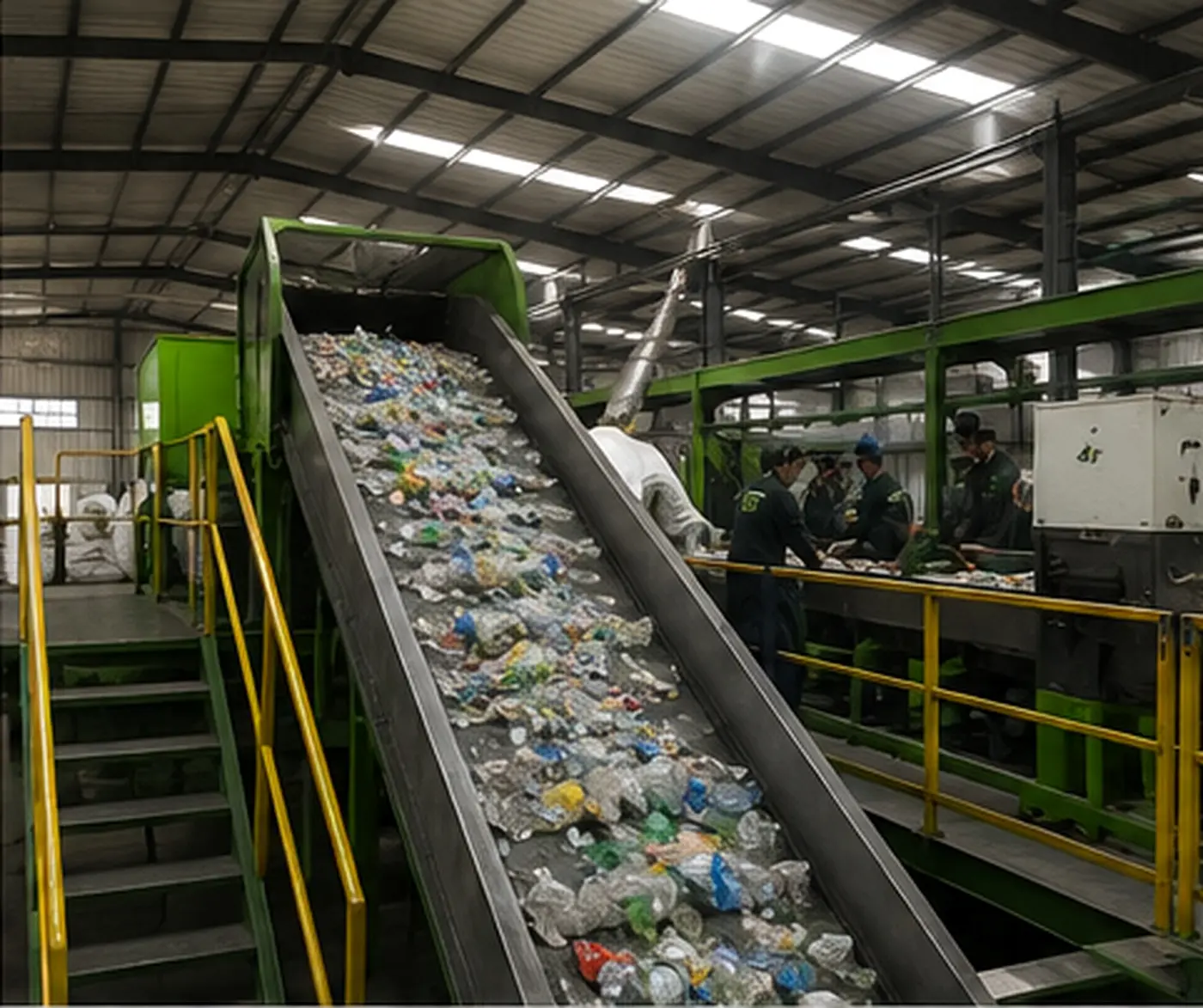
Which plastic scrap is worth most, what sets the PET bottle rate in Lahore, how to make sure the kanta is fair — and how to sell bulk loads.
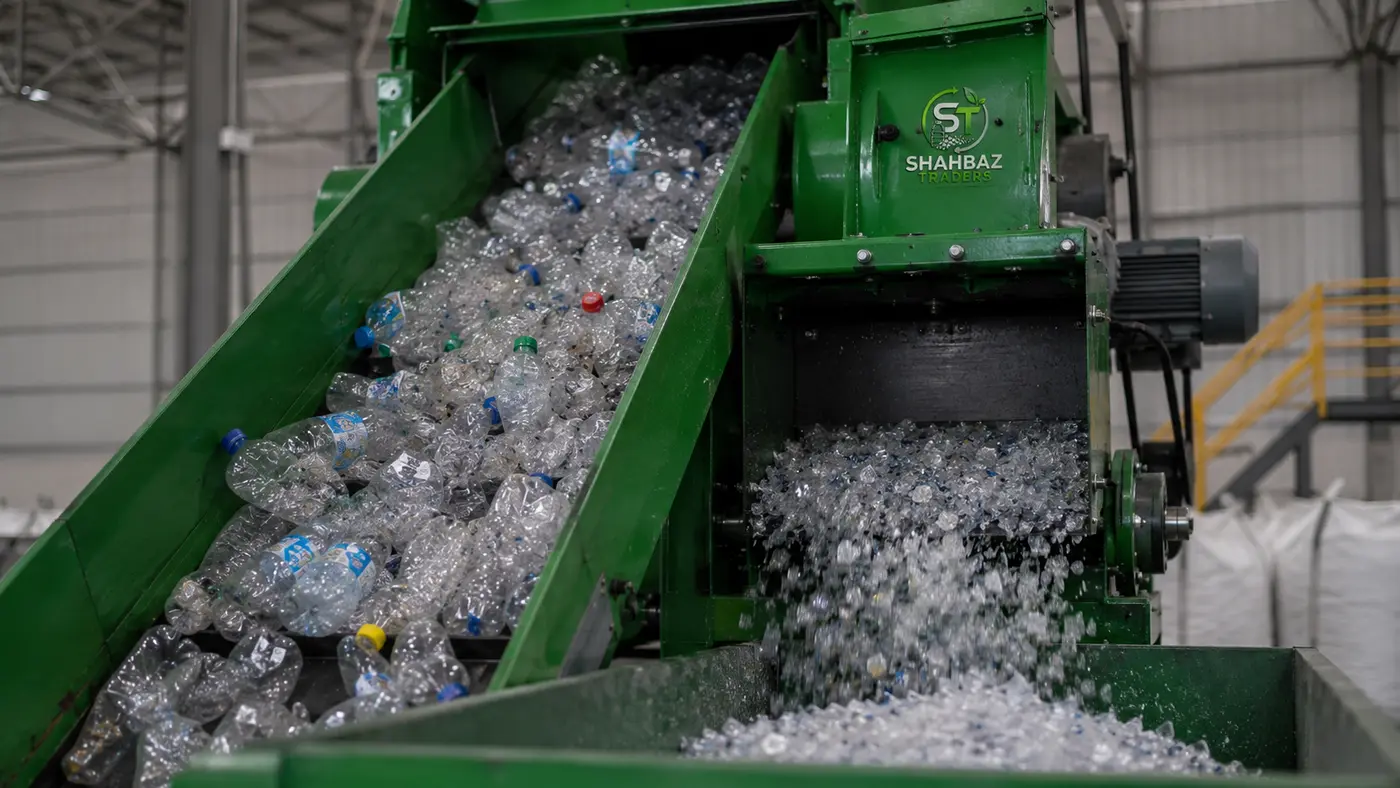
For crusher owners: what sets the rate for unwashed PET crush, the mistakes that cut it, and how to sell crush to a recycler.
Unwashed, cold-washed or hot-washed; clear or coloured — why PET flake prices per kg vary so much in Pakistan, and how to compare quotes like for like.
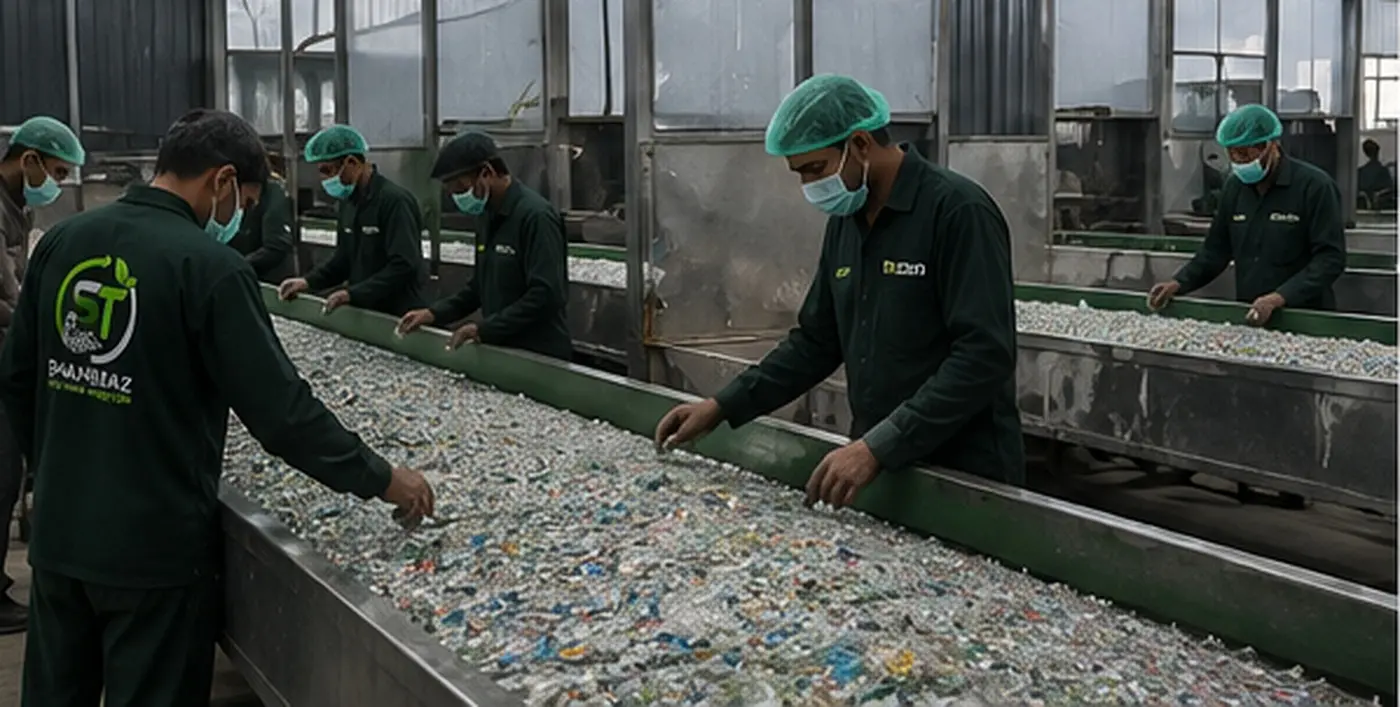
Why the PET bottle rate per kg changes from one buyer to the next — and the five things you can control to get a better rate for your load.
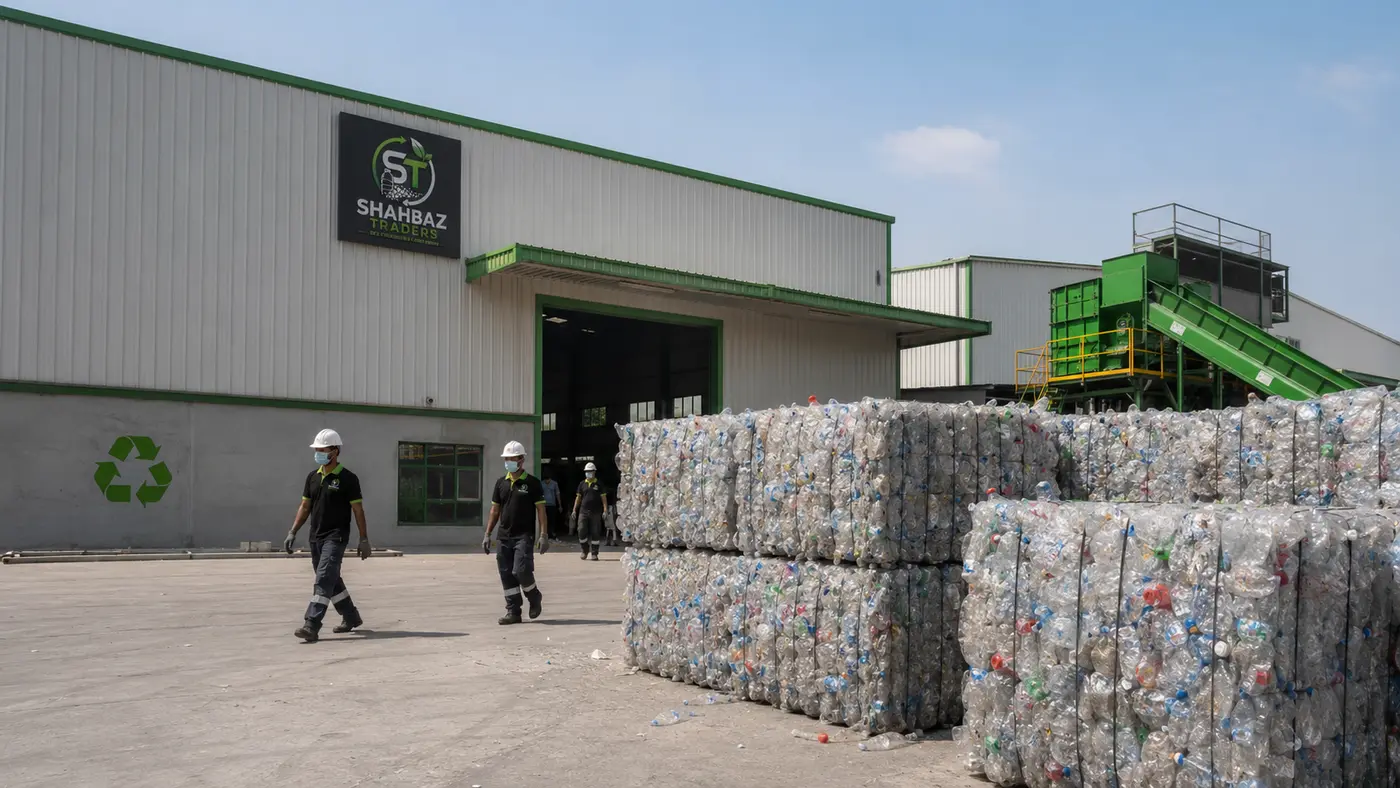
For Sheikhupura dealers, collectors and factories: what sets your PET bottle rate, how to grade and pack a load, and how collection for larger loads works.
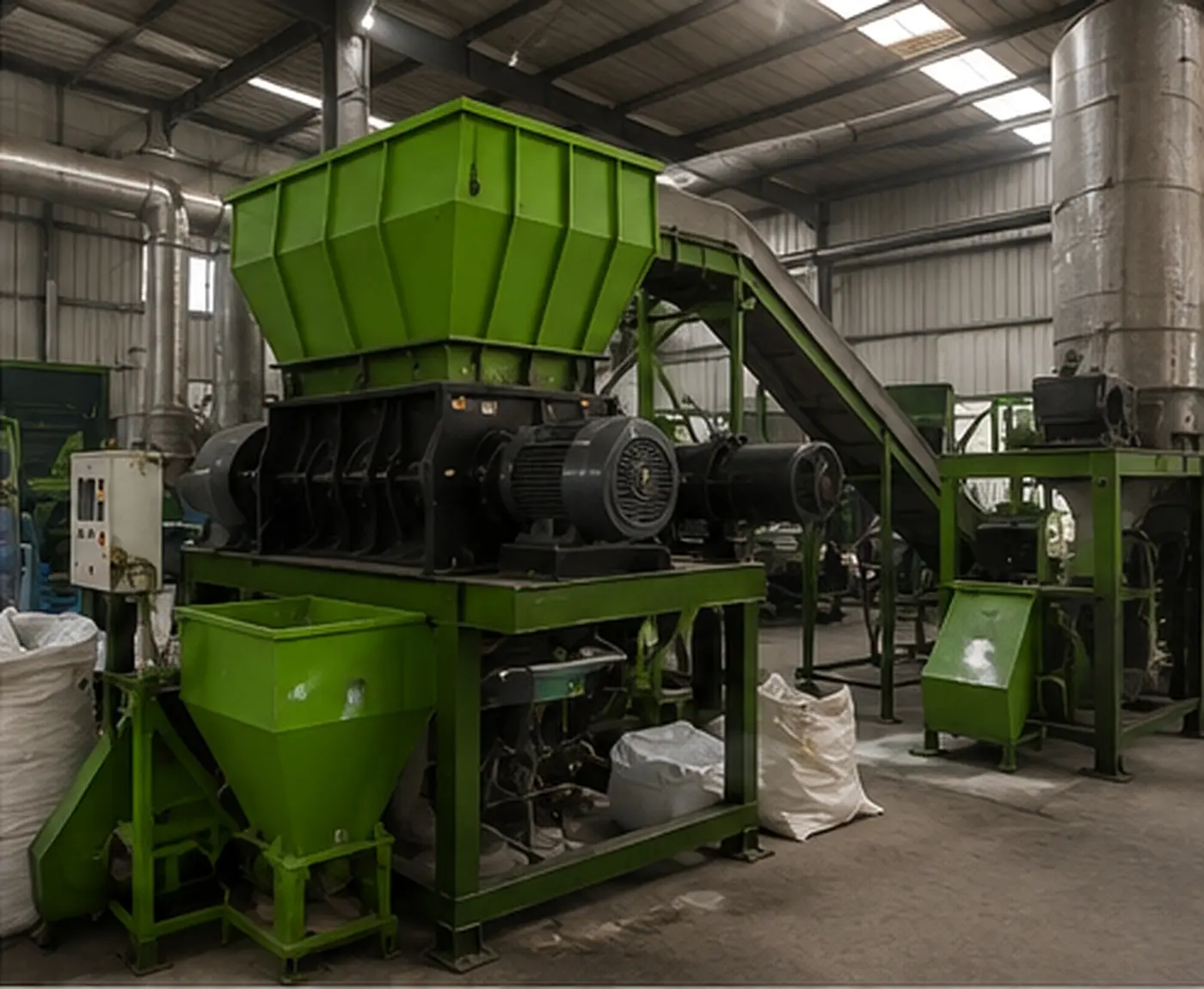
Collect and sell, bale, or buy a crushing machine? An honest comparison of three ways to start a PET bottle business in Pakistan — and when each one pays.
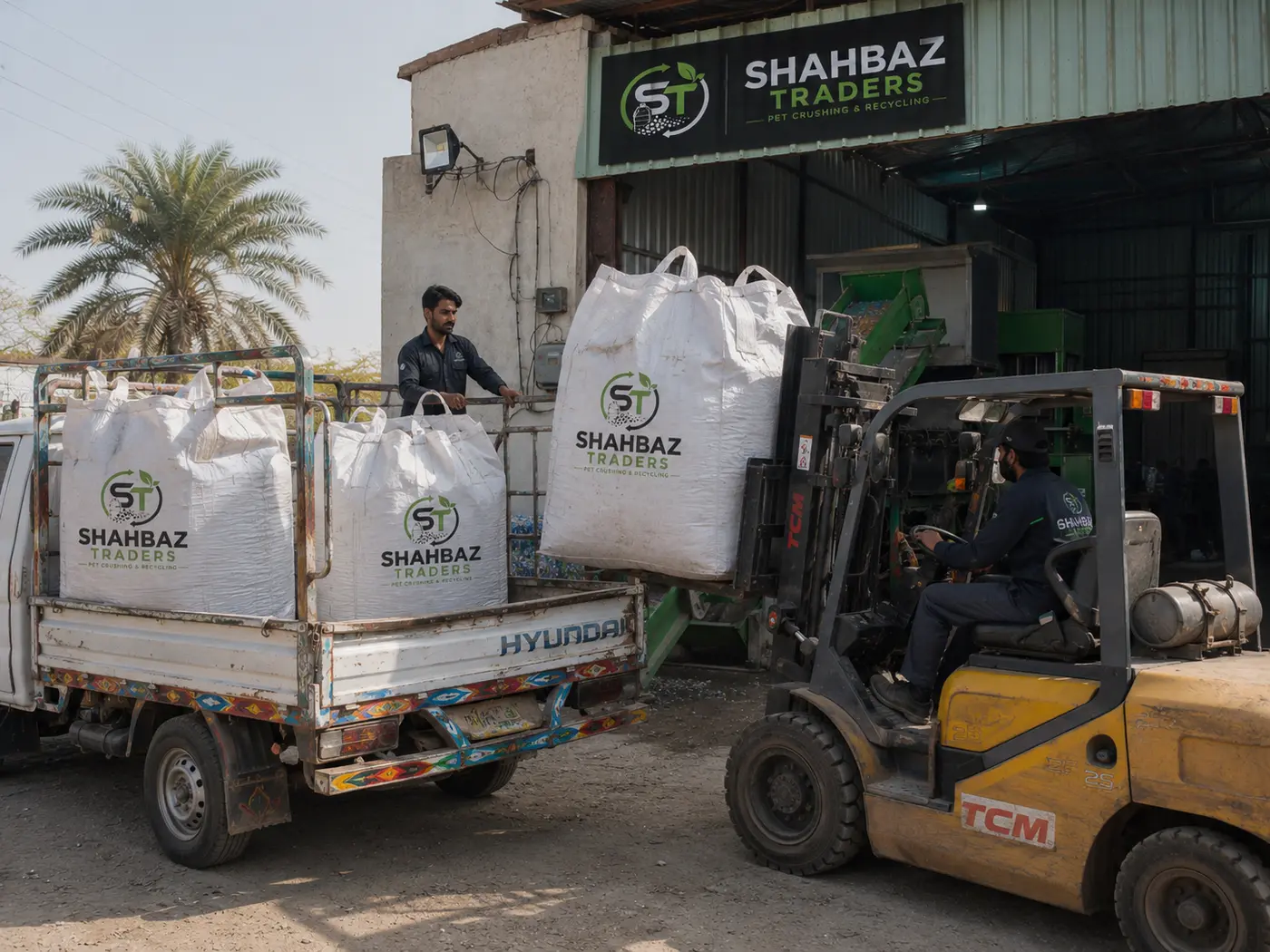
How Faisalabad fibre mills can check an rPET flake delivery at the gate — sampling, quick tests for PVC, PP/PE and moisture, and when to call the lab.
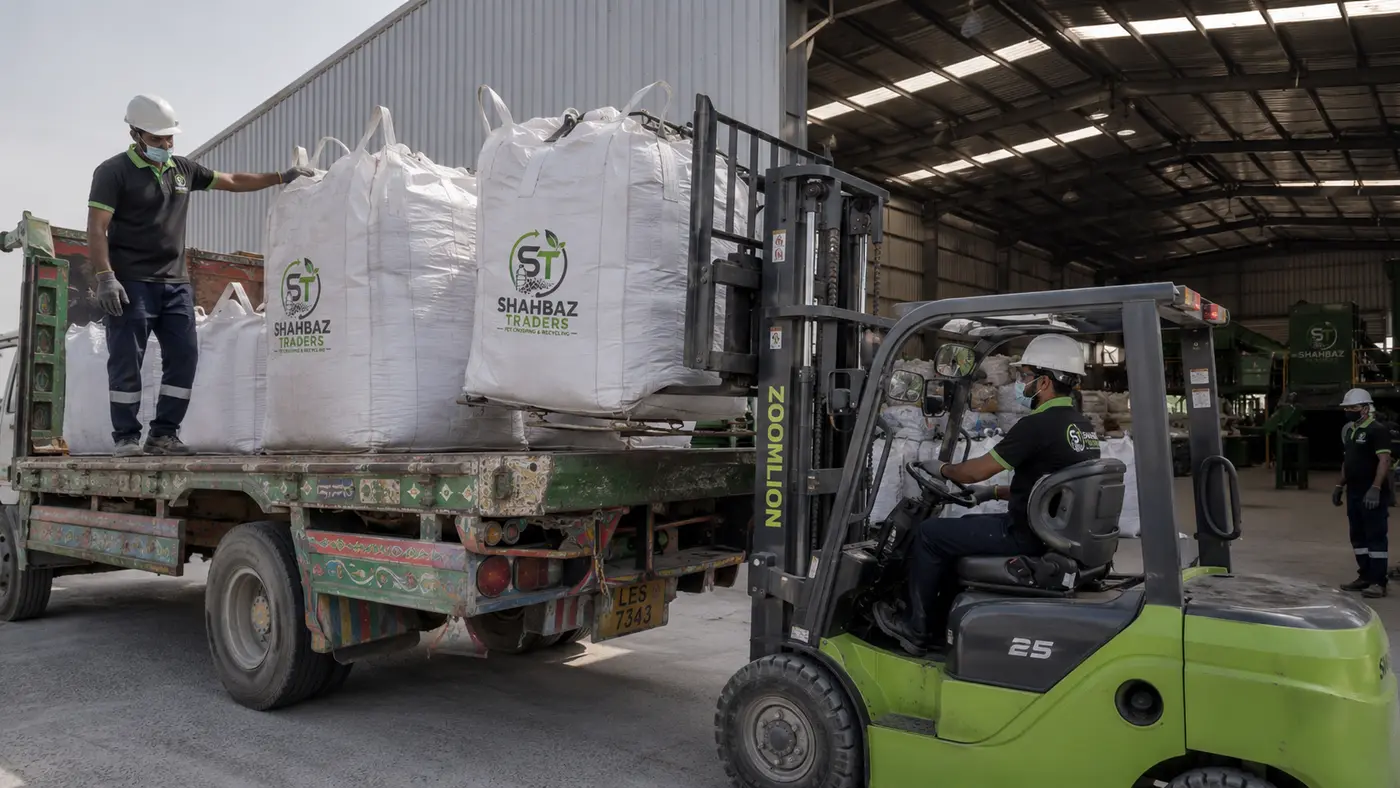
A practical playbook for Lahore & Faisalabad buyers to manage the winter rPET rate rise — timing, securing supply, and protecting margin without overpaying.
Raw PET bottle rates typically firm in winter — here is why, what sets your rate in Lahore, and how collectors and suppliers can make the most of the season.
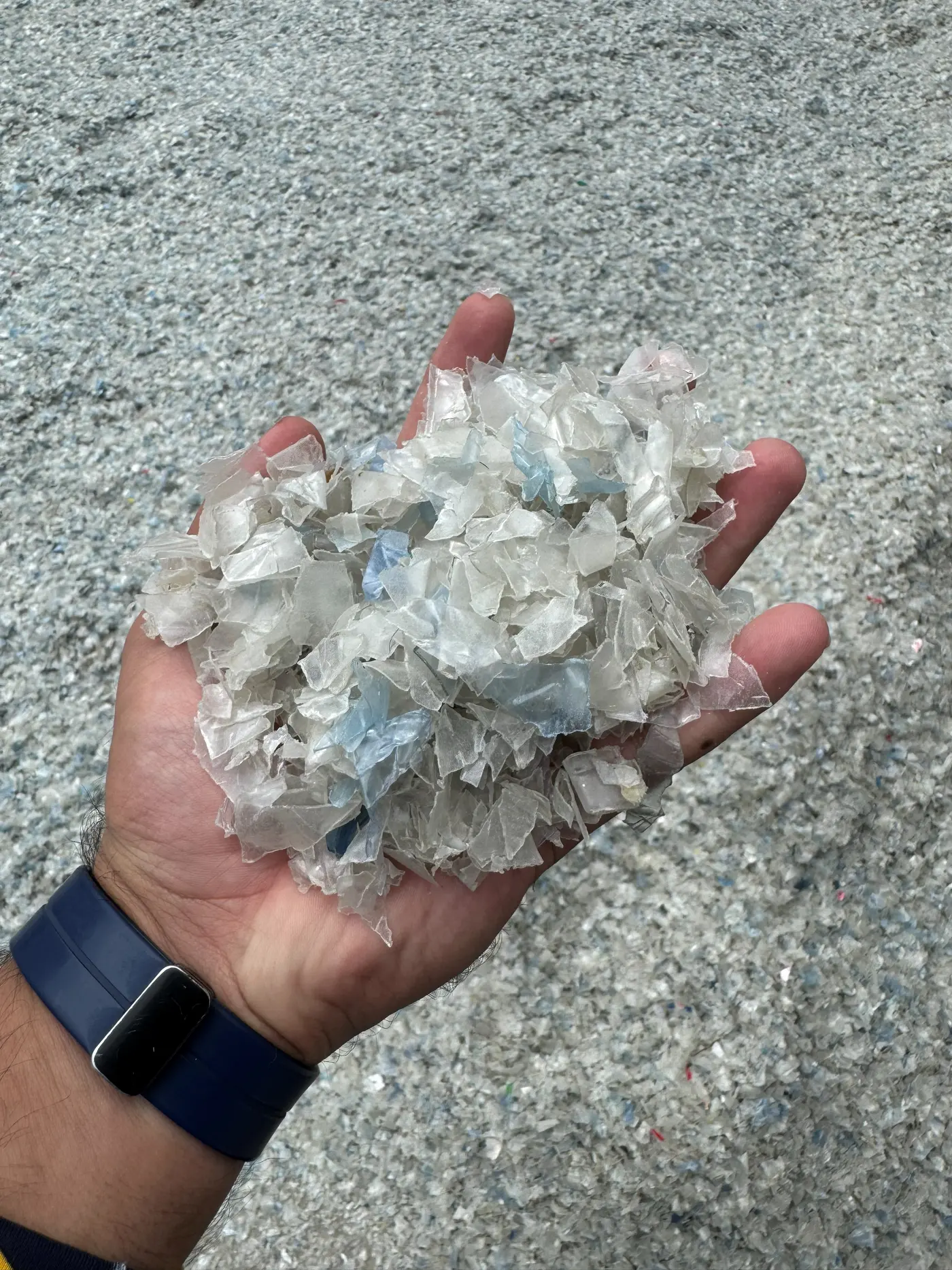
What “6 sooter” and other local PET flake grade names really mean — and the measurable specs (size, colour, wash, contamination) that decide quality and price.
Why raw PET bottle and rPET flake rates climb in winter across Punjab — the supply-and-demand mechanics, and how buyers in Lahore & Faisalabad should plan.
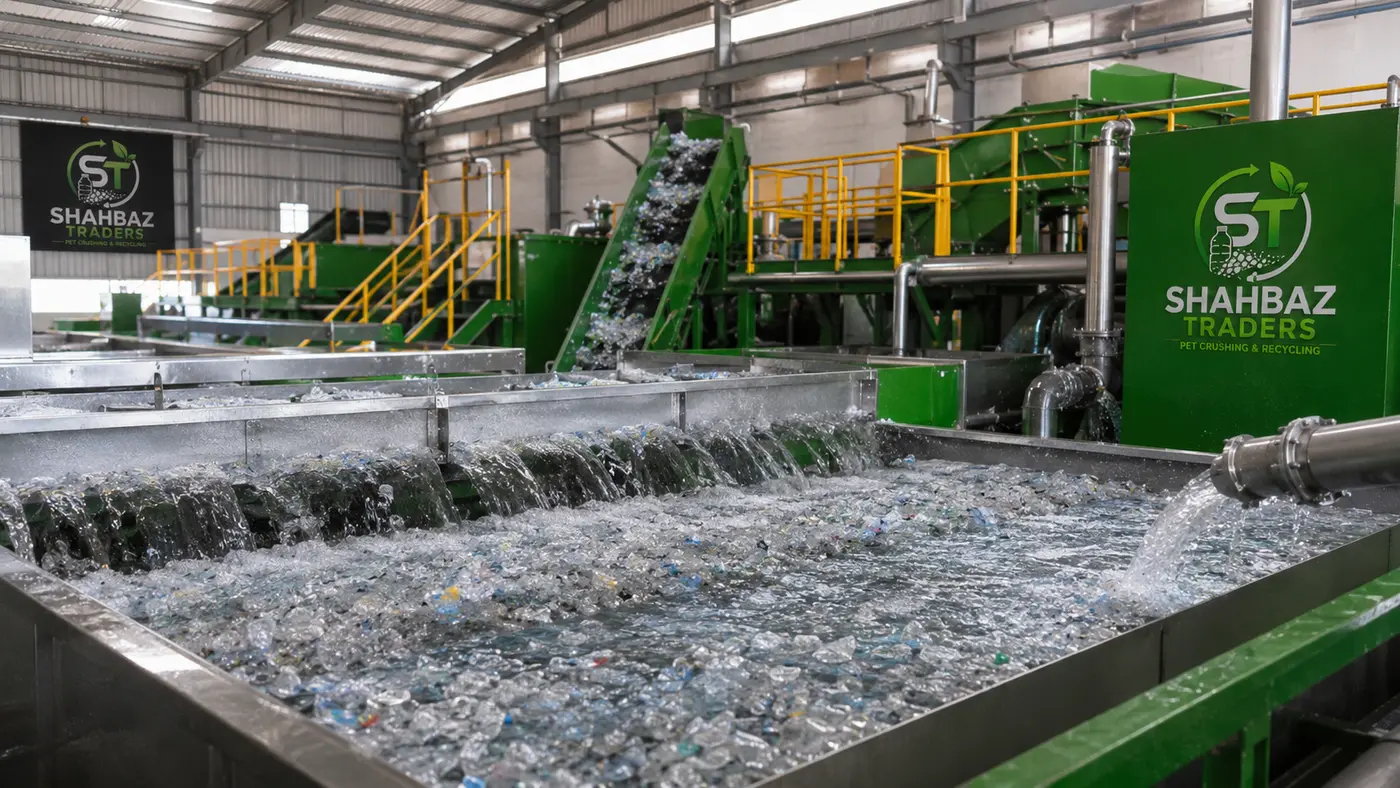
What really drives rPET flake prices in Lahore & Faisalabad — what pushes rates up and down, how to budget and time buys, and how to read a fair quote.
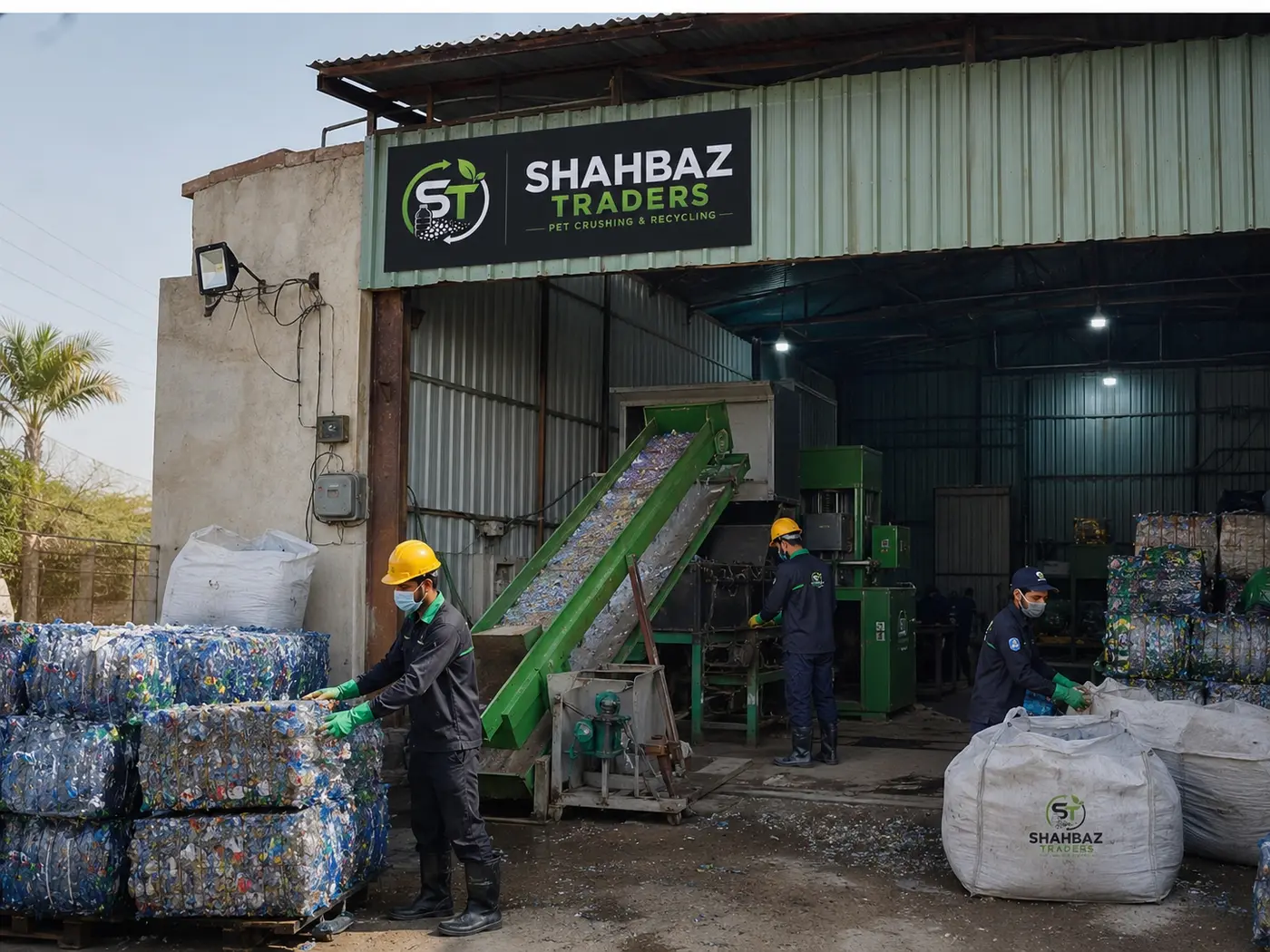
How Lahore businesses can turn PET waste into value — set up a collection & buy-back loop that cuts costs, adds revenue, and gets you ahead of EPR.
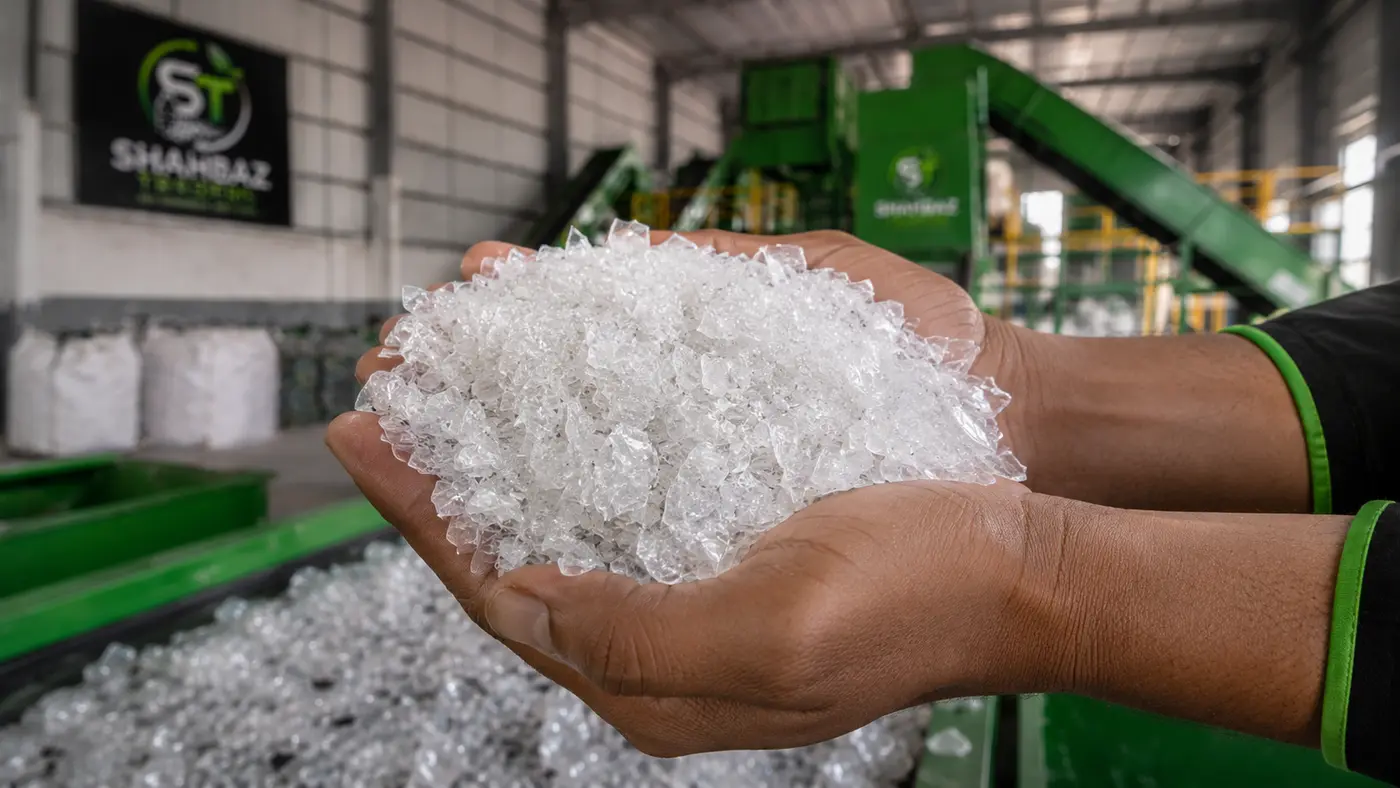
The business case for rPET in Faisalabad’s mills — where the cost savings come from, how quality protects yield, and why recycled content wins buyers.
Turn PET bottle waste into income in Lahore & Faisalabad — how buy-back works, what sets your rate, how prices move, and how to get the best price.
Recycled PET for Lahore’s packaging, strapping and sheet makers — the cost and sustainability benefits, which grade to choose, and how to source bulk supply.
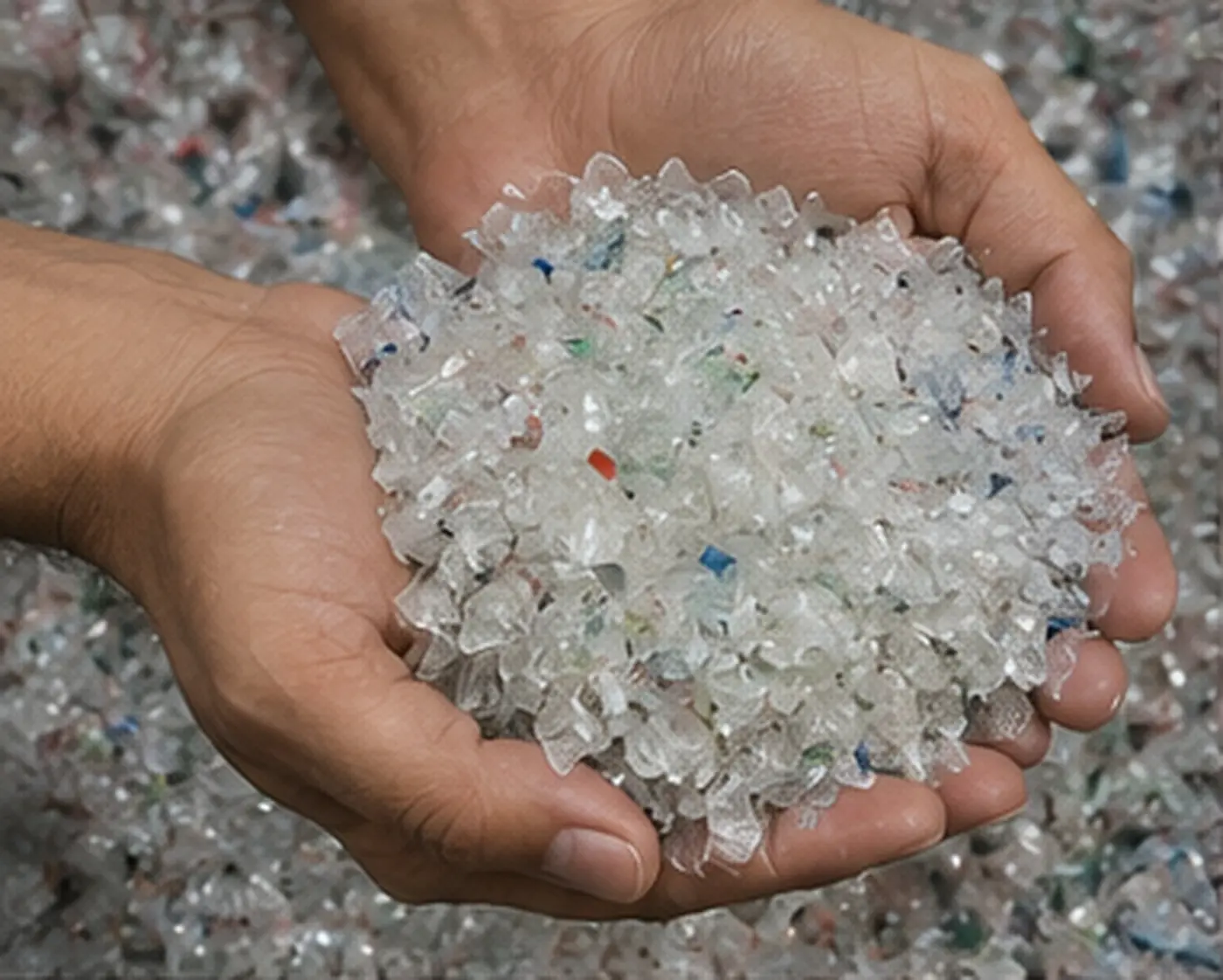
Why Faisalabad’s textile mills are switching to local rPET flake — the cost and quality benefits, what to specify, and how to pick a reliable supplier.
How Pakistani brands can lower packaging footprint with recycled PET — the real benefits, honest claims, and how to build rPET into your supply chain.
For polyester fibre and filament mills in the Faisalabad/Punjab belt — what rPET spec to demand, and how to source consistent flake.
The 10 questions procurement and quality teams should ask before committing volume to an rPET flake supplier in Pakistan.
Sell your post-consumer PET bottles the right way — how buy-back works in Pakistan, how loads are graded and weighed, and how to get the best rate.
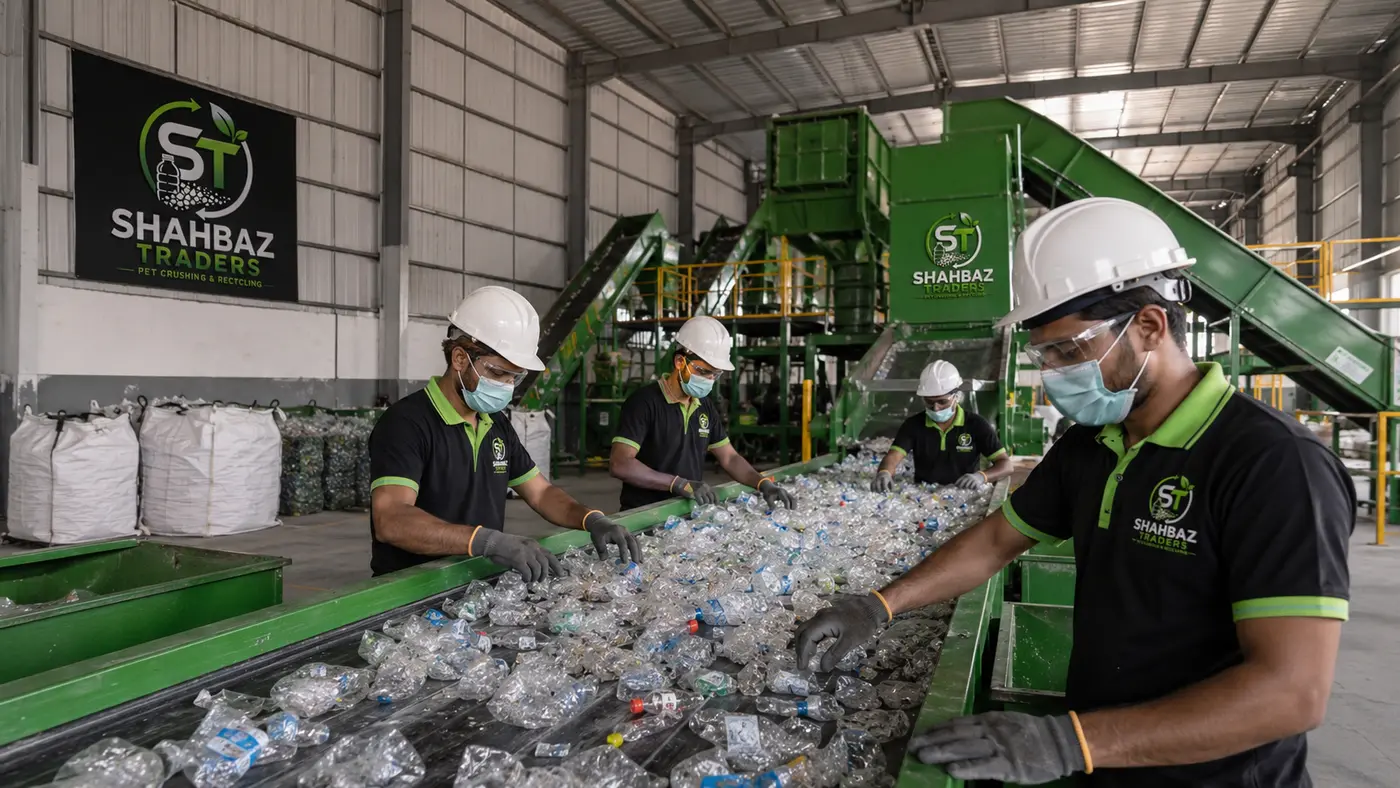
How PET recycling works in Pakistan — the value chain, who buys rPET, what drives flake rates, and the outlook for 2026 and beyond.
Hot-washed flakes are cleaner and higher-grade; cold-washed are cheaper. Here is which one your process actually needs.
Recycled PET is not automatically food-grade — here is what food-contact rPET actually requires.
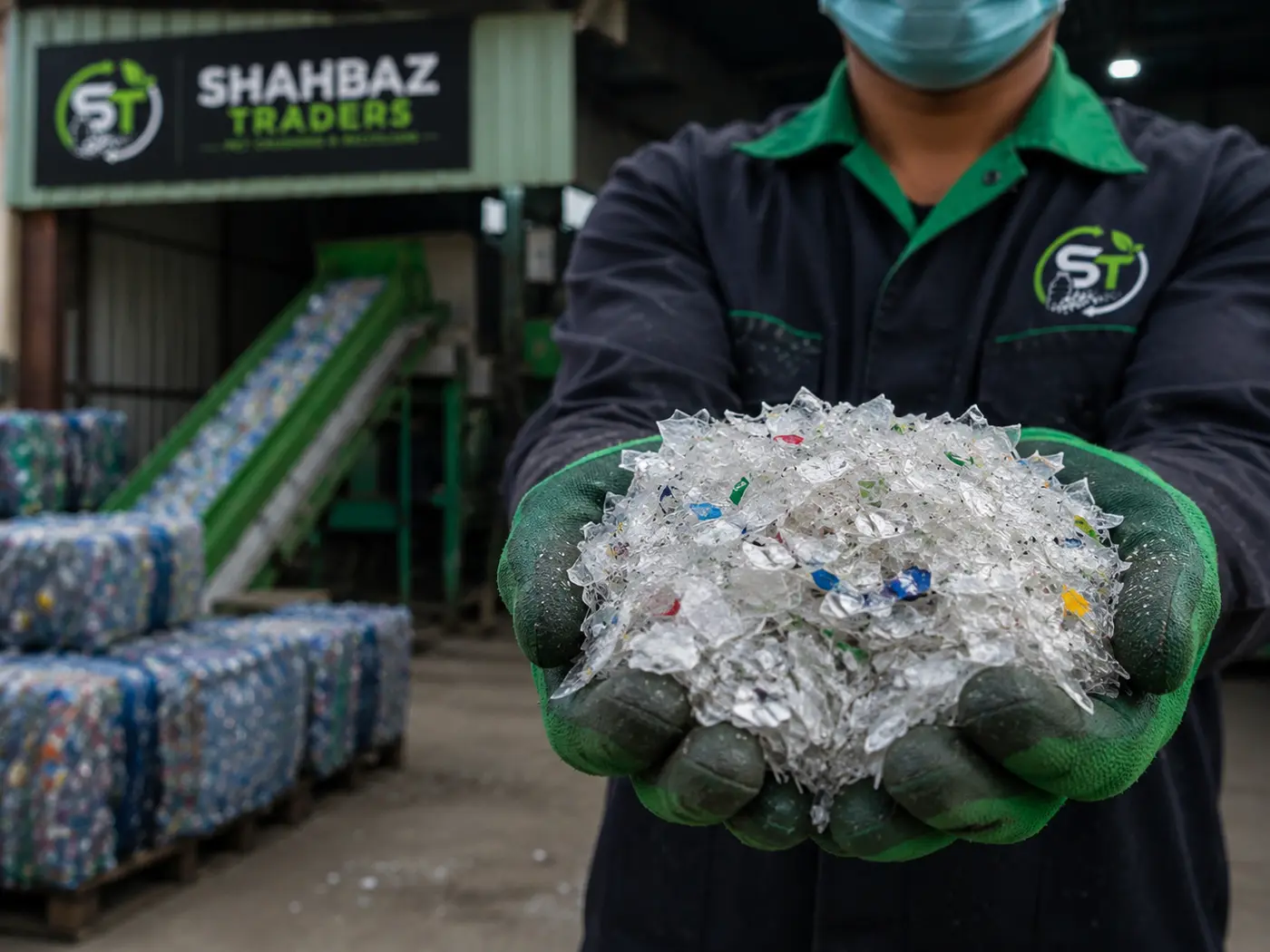
The full journey from bottle to rPET flake — collection, sorting, crushing, washing, drying — and why each step matters to buyers.
A plain-English guide to the numbers on a recycled PET Certificate of Analysis — IV, moisture, PVC and contamination.
Ask us about grades, specs, rates or buy-back — we reply with straight answers, usually the same day.
Tell us your grade, application and monthly volume. We’ll quote with the spec behind it — COA & TDS on request.
Fair buy-back rates, honest weighing and prompt payment for vendors, factories and collection points.