Hot-Washed vs Cold-Washed rPET Flakes
Hot-washed flakes are cleaner and higher-grade; cold-washed are cheaper. Here is which one your process actually needs.
The PET recycling trade has its own language — and a quote, a COA or a phone call with a dealer can be hard to follow without it. This glossary explains the terms buyers and sellers meet most often, in plain English, with links to our deeper guides.
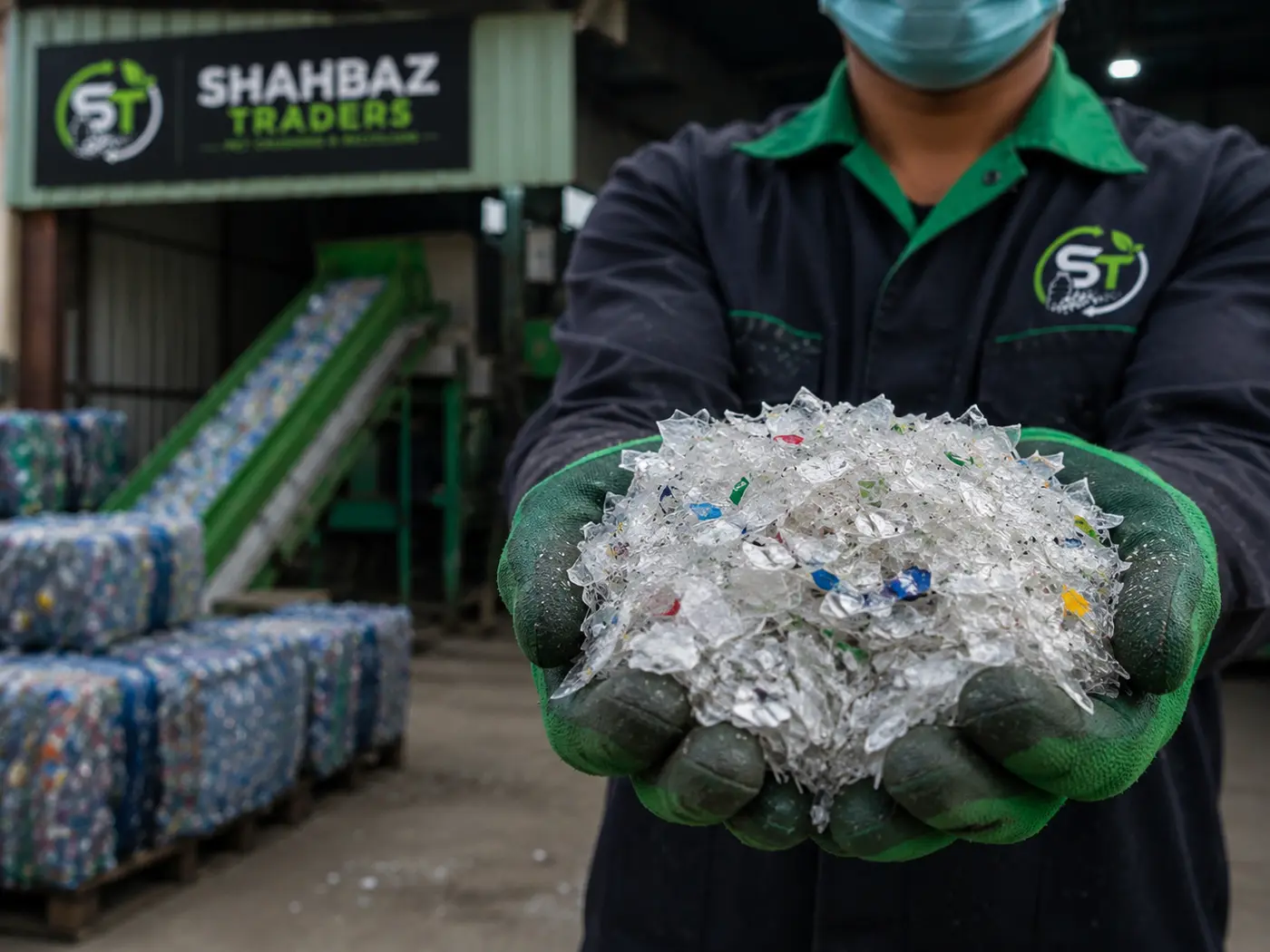
Whether you are a procurement manager comparing flake quotes or a dealer selling a truckload of bottles, the same words come up again and again. Here they are, grouped by topic.
| Term | Meaning |
|---|---|
| PET (PETE) | Polyethylene terephthalate — the plastic used for water and soft-drink bottles. Marked “1” in the recycling triangle. |
| rPET | Recycled PET — PET recovered from used bottles and turned into flake, pellets or fibre. |
| Virgin PET | New PET resin (chips) made from oil-based raw materials. rPET is priced against it. |
| Post-consumer | Material that has been used by consumers and thrown away — e.g. used bottles — as opposed to factory scrap. |
| Bottle-grade / food-grade | rPET cleaned to a standard approved for food contact. Needs special decontamination — see is recycled PET food-grade? |
| PP, PE, HDPE | Other plastics found with bottles — mainly caps, rings and some labels. They float in water; PET sinks. |
| PVC | Polyvinyl chloride. Looks like PET in some bottles but damages PET melts. Marked “3”. |
| Term | Meaning |
|---|---|
| Sorting | Separating PET bottles by colour and removing other plastics and rubbish. |
| Bale | Bottles compressed into a dense block for easier transport. |
| Crush | Bottles granulated without washing — unwashed flake. See PET bottle crush rate. |
| Flake | Small pieces of PET cut from bottles — in a quote, usually washed flake. |
| Cold-wash | Washing at ambient temperature. Removes loose dirt; leaves more glue and residue. |
| Hot-wash | Washing in hot water, typically with caustic, to remove glue, labels and residues. See hot vs cold-washed. |
| Float–sink | Separation in water: PP/PE float, PET (and PVC) sink. |
| Fines | Dust and very small particles, often from blunt blades. Lost in washing; cause feeding problems. |
| Pellets / chips | Flake melted, filtered and cut into uniform granules — a further processing step. |
The full process, from bottle to flake, is in how PET recycling works.
| Term | Meaning |
|---|---|
| IV (intrinsic viscosity) | A measure of PET chain length, in dl/g. Higher, stable IV means more melt strength — important for fibre and strapping. |
| Moisture | Water content of the flake. Too much lowers IV during extrusion; flake must be dried before processing. |
| PVC ppm | PVC content in parts per million — e.g. 50 ppm means 50 mg of PVC per kg of flake. Lower is better. |
| PP/PE content | How much cap and label plastic remains in the flake. |
| Bulk density | Weight per volume of loose flake — affects feeding and transport. |
| Flake size | Typical particle size, set by the screen in the granulator. |
| Colour / colour stream | Clear, light blue, green, brown or mixed. Clear has the most uses. |
How these are tested and reported: reading an rPET COA. How to check them at your gate: the mill gate checklist.
| Term | Meaning |
|---|---|
| COA | Certificate of Analysis — test results for a specific lot. |
| TDS | Technical Data Sheet — the typical properties of a grade (not lot-specific). |
| Lot | A batch of flake produced and tested together. |
| Retained sample | A sealed sample kept from each lot to settle any later quality question. |
| Ex-works | Price at the supplier’s gate; the buyer arranges transport. |
| Delivered | Price including delivery to the buyer’s site. |
| FOB | Free on Board — export price at the port, before sea freight and import costs. |
| HS code | Customs classification. PET flake is commonly under heading 3915 — confirm with your customs agent. |
| Term | Meaning |
|---|---|
| Kanta | The scale your load is weighed on. It should read zero before weighing. |
| Weighbridge | A scale for whole trucks — loaded weight minus empty weight gives the load. |
| Tare | The weight of empty bags or containers, deducted from the gross weight. |
| Deduction (kaat) | A weight or price cut for water, dirt or other plastics — should be explained before payment. |
| Grading | Sorting a load into clear, coloured or mixed and checking its condition — decides the rate. |
| Buy-back rate | The rate a recycler pays for your bottles, per kg. |
How rates are set: PET bottle scrap rate in Pakistan.
Ask us — or request a sample with its COA so you can see the numbers for yourself.
Ask a Question WhatsApp usFor scrap dealers, collectors, factories and collection points across Punjab. Bring your post-consumer PET bottles to our Okara yard or ask us to collect — honest weighing, today’s rate, prompt payment.
Bring your bottles to our Okara yard. Weighed in front of you and paid promptly.
Tell us your quantity and location — we quote today’s rate and can arrange collection.
Factories, collection points and bulk suppliers — agreed rate, schedule and dispatch.
Get a better rate: clean, dry, sorted bottles — kept apart from other plastics, and baled if you can — are worth more than mixed or wet loads.
WhatsApp or call with the quantity, bottle type and your location. A photo helps.
We quote a fair buy-back rate for your grade — clear, coloured or mixed, loose or baled.
Drop off at our Okara yard, or we arrange pickup for larger loads.
Weighed transparently on arrival and paid without delay.
Send us your quantity on WhatsApp — we’ll reply with today’s rate. Or come straight to our yard.
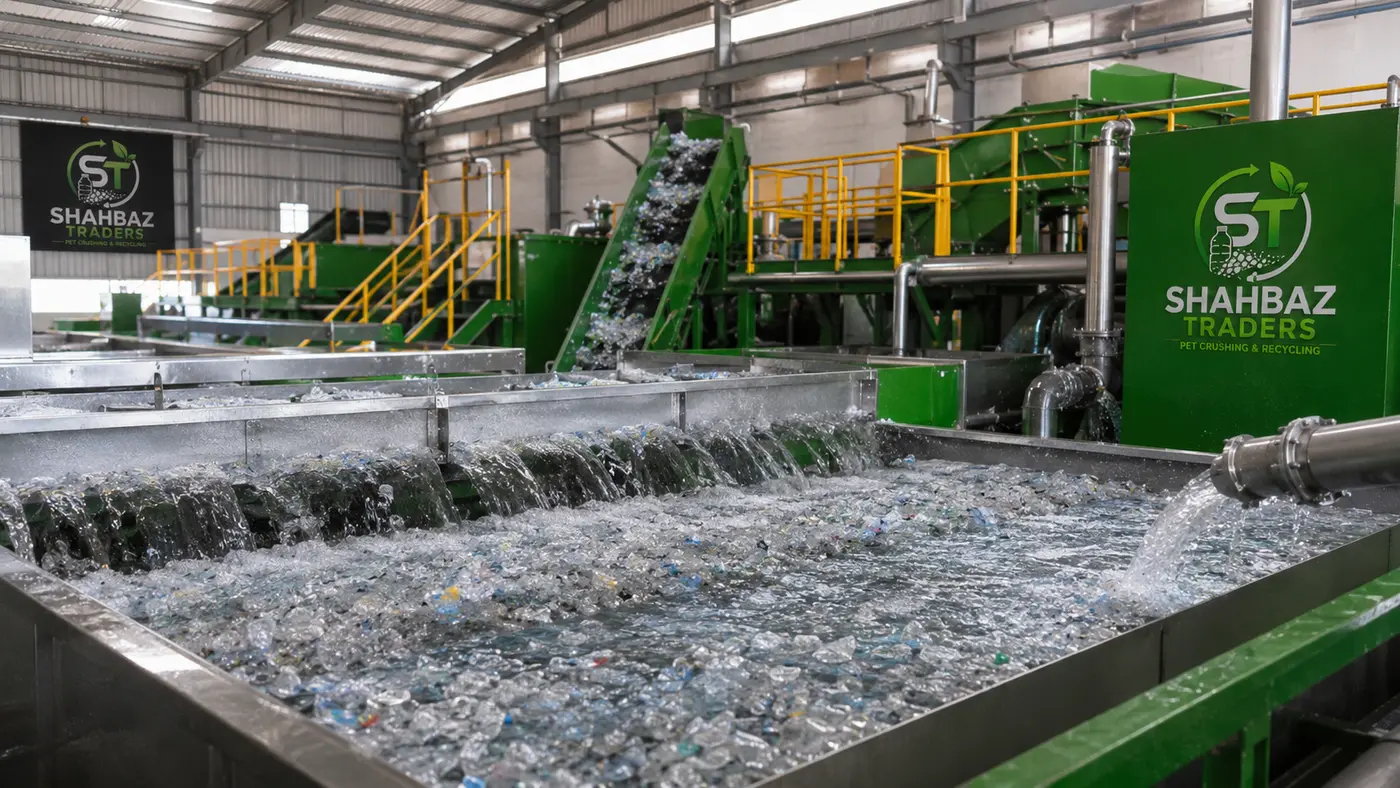
Hot-washed flakes are cleaner and higher-grade; cold-washed are cheaper. Here is which one your process actually needs.
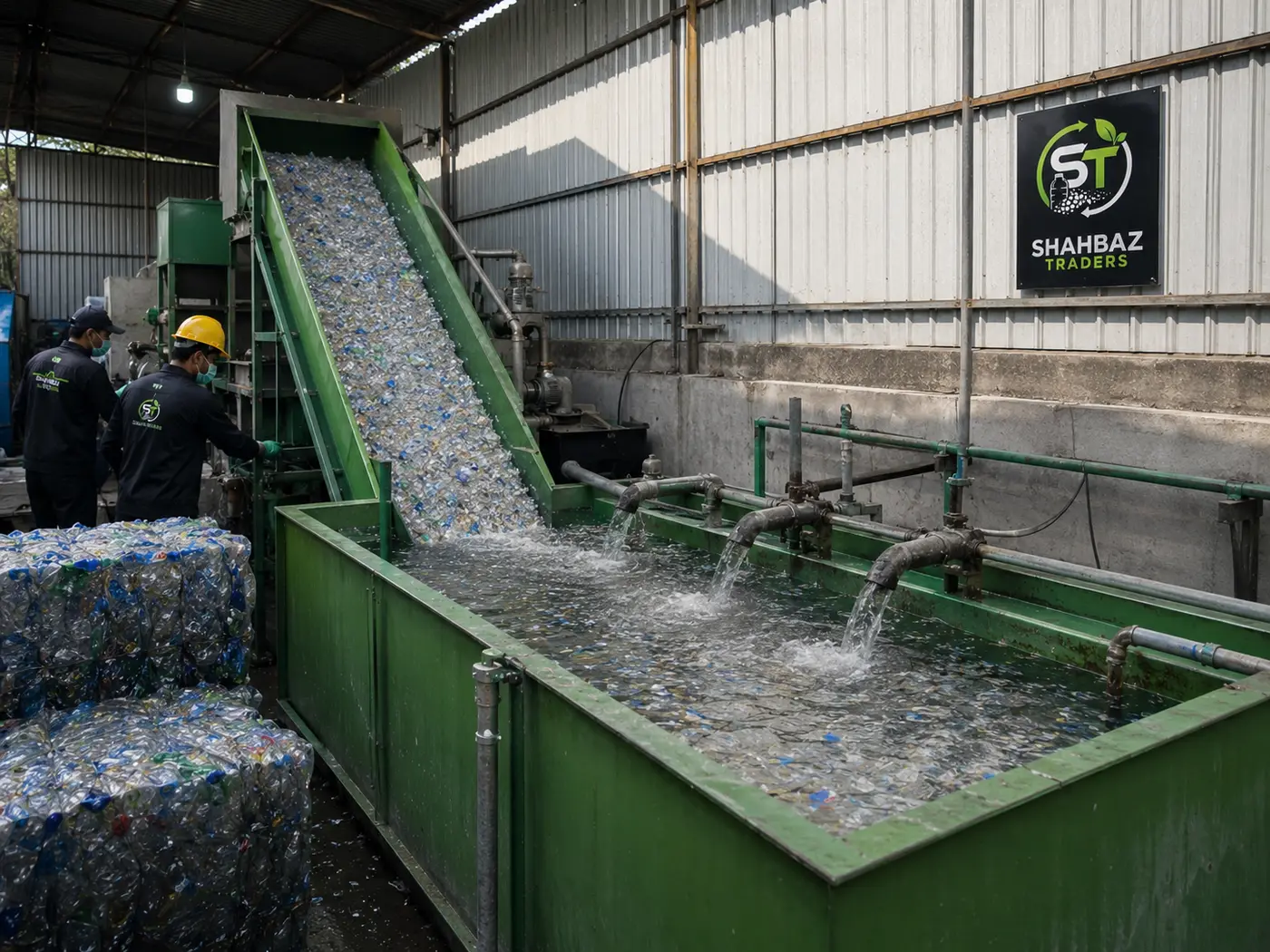
Which rPET grade suits which fibre product, how to accept lots consistently, and how Sheikhupura plants can secure supply that holds through winter.
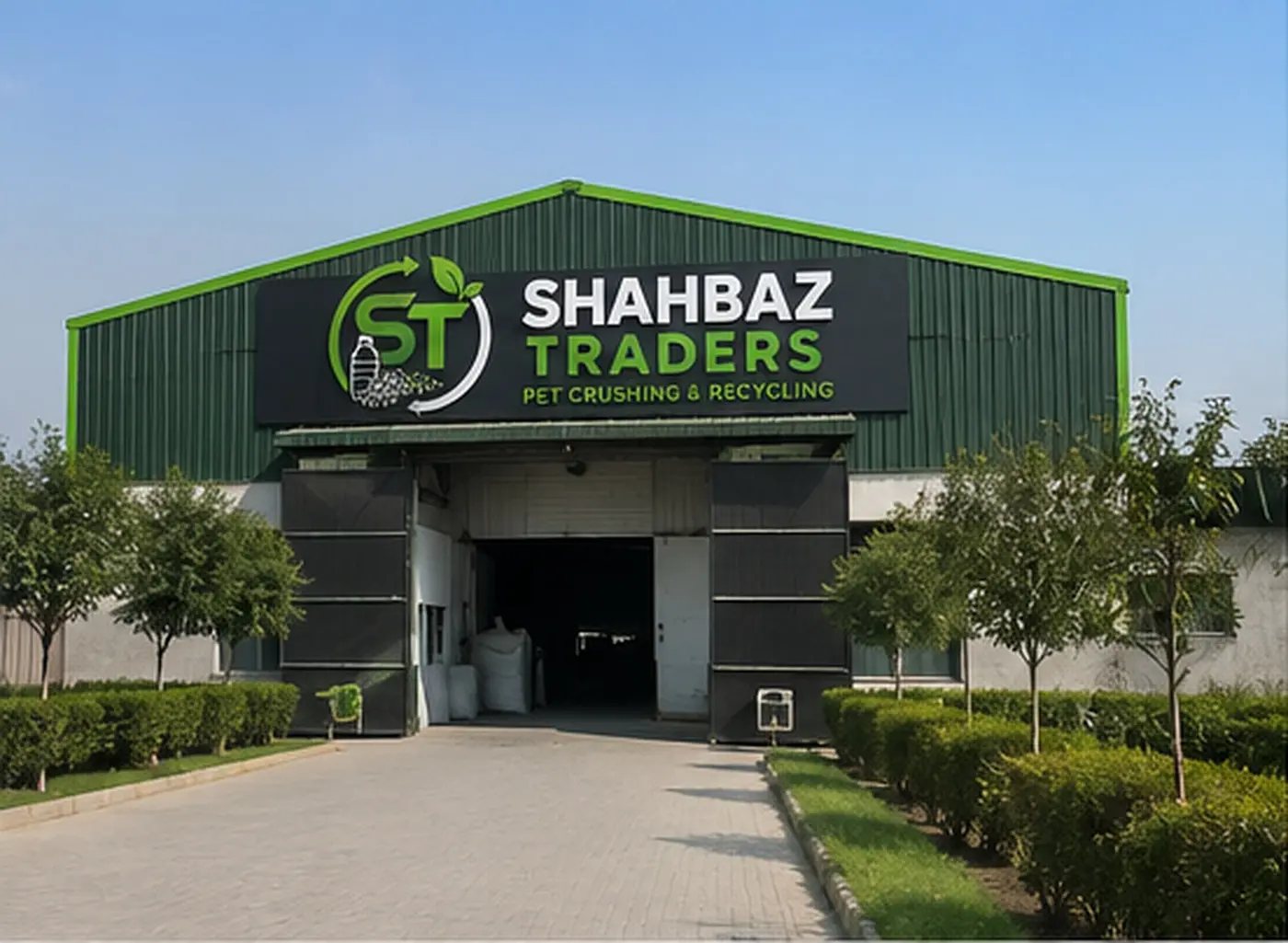
Where we are on Okara Bypass, when we’re open, what we buy, and exactly what happens when you bring PET bottles to our yard.
Ask us — we reply with straight answers, and can send a sample with its COA so you can see the numbers for yourself.
Tell us your grade, application and monthly volume. We’ll quote with the spec behind it — COA & TDS on request.
Fair buy-back rates, honest weighing and prompt payment for vendors, factories and collection points.