rPET Flake Prices in Punjab (Lahore & Faisalabad): What Drives the Rate in 2026
What really drives rPET flake prices in Lahore & Faisalabad — what pushes rates up and down, how to budget and time buys, and how to read a fair quote.

Every winter, rates for raw PET bottles and crushed rPET flake tend to firm across Punjab. Here is why the seasonal rise happens, how it plays out in Lahore and Faisalabad, and how buyers and suppliers can plan around it instead of being caught out.
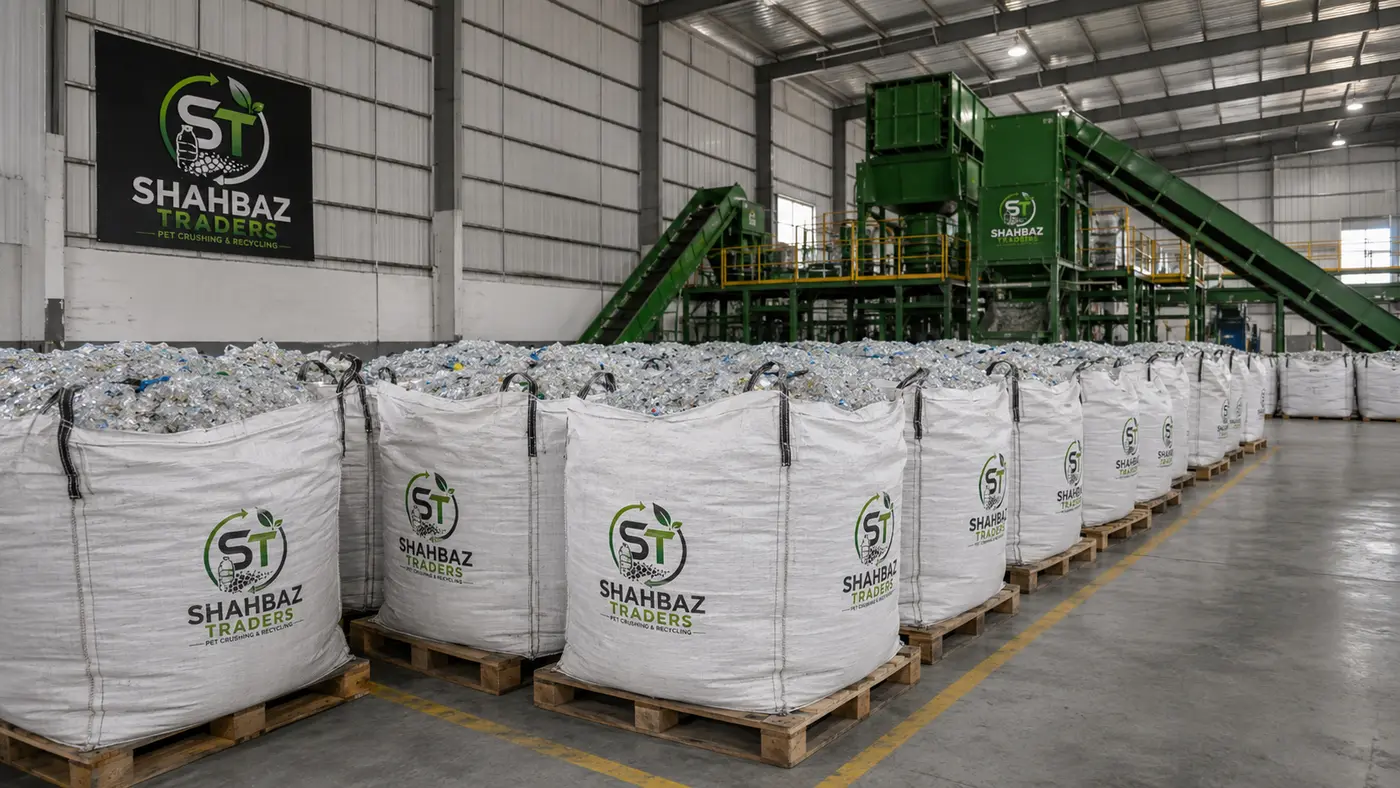
If you buy or sell PET in Punjab, you have probably noticed a pattern: as the weather turns cold, rates for raw PET bottles and for crushed rPET flake tend to move up. It is one of the more predictable rhythms in the market — and understanding it is the difference between being surprised by a quote and planning around it. This guide explains the seasonal rise plainly, so buyers in Lahore and Faisalabad and suppliers across the province can make better decisions this winter.
Prices in the PET chain are never fixed, but the seasonal tendency is real. Through the cooler months, the cost of collected bottles and the flake made from them generally sits higher than in peak summer. It is not a sudden spike so much as a firming — a market where supply gets a little tighter while demand stays steady or grows. For anyone timing purchases or sales, that direction matters more than any single number.
The biggest driver is collection. Post-consumer PET is gathered by an informal network of collectors and kabaris, and their volumes are sensitive to the season:
In short, the pool of raw material shrinks while the mills that need flake keep running — and a tighter supply against steady demand pushes rates up.
Winter demand generally holds up. Faisalabad’s textile and fibre mills keep consuming recycled polyester, and packaging and strapping makers in Lahore keep producing. On top of the seasonal supply squeeze, the usual macro levers still set the base: virgin PET and crude-oil prices (rPET is discounted off virgin, so it follows), and the USD/PKR rate (virgin resin is import-linked, so a weaker rupee lifts the whole complex). Winter can stack a seasonal tightness on top of whatever the macro market is already doing.
For a mill or manufacturer, the practical response is simple: plan ahead.
We lay out the timing playbook in beating the winter rate hike, and the full pricing mechanics in what drives rPET prices in Punjab.
The same tightness that raises costs for buyers can work in a supplier’s favour. Winter is often a stronger window to sell collected PET, because recyclers are competing for scarcer material. Clean, dry, colour-sorted and baled loads capture the most of that premium. We cover the supplier side in raw PET bottle rates in winter.
The winter firming in PET rates is driven mostly by a seasonal dip in collection meeting steady demand, layered on top of the usual oil and currency drivers. You cannot control the market — but knowing the pattern lets buyers secure supply and budget sensibly, and lets suppliers time their sales. Either way, the businesses that plan around the season do better than those that react to it.
Tell us your grade and volumes — we’ll quote today’s rate with the spec behind it and help you secure supply, delivered to Lahore or Faisalabad.
Request a Quote WhatsApp usExplains seasonal price behaviour and its drivers; no specific figures are quoted because live rates change constantly. Chart values are illustrative.
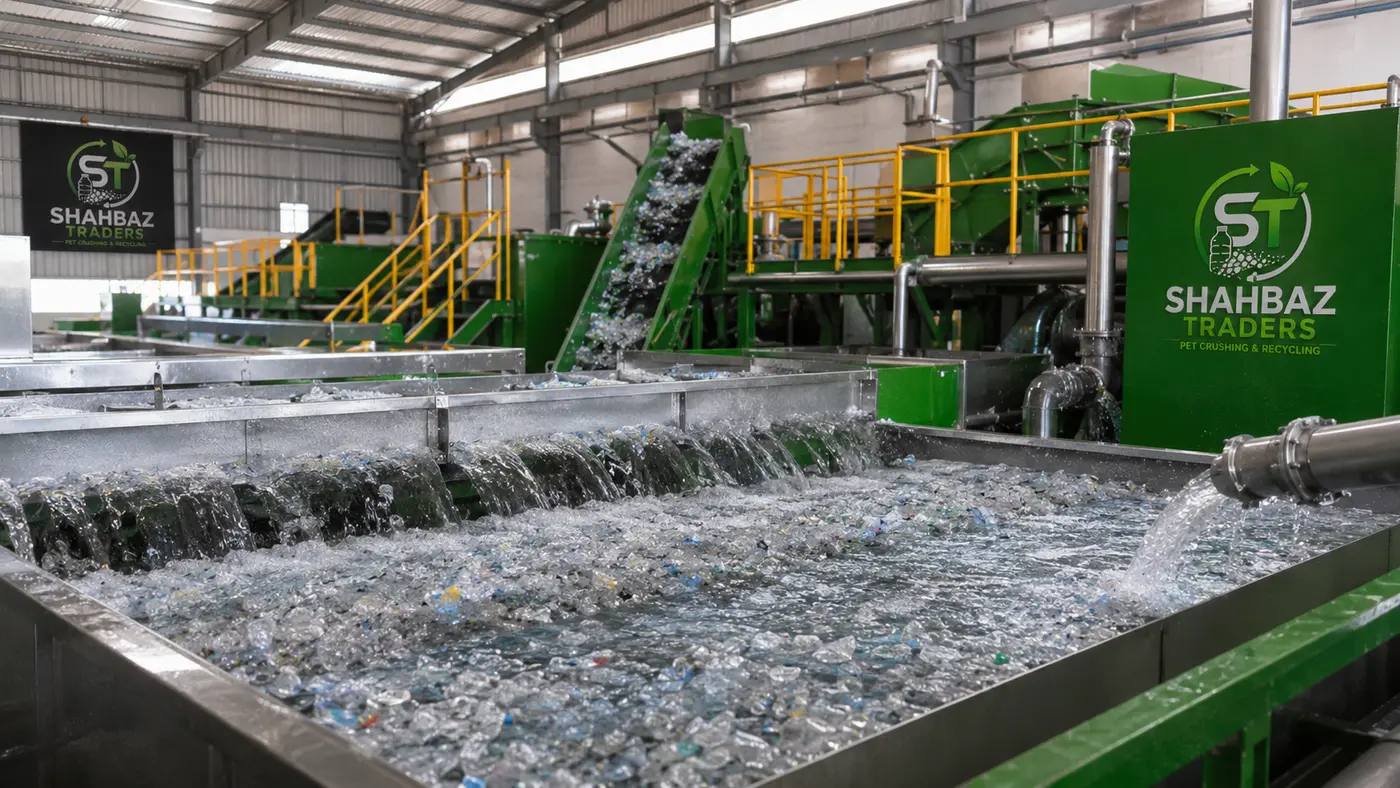
What really drives rPET flake prices in Lahore & Faisalabad — what pushes rates up and down, how to budget and time buys, and how to read a fair quote.
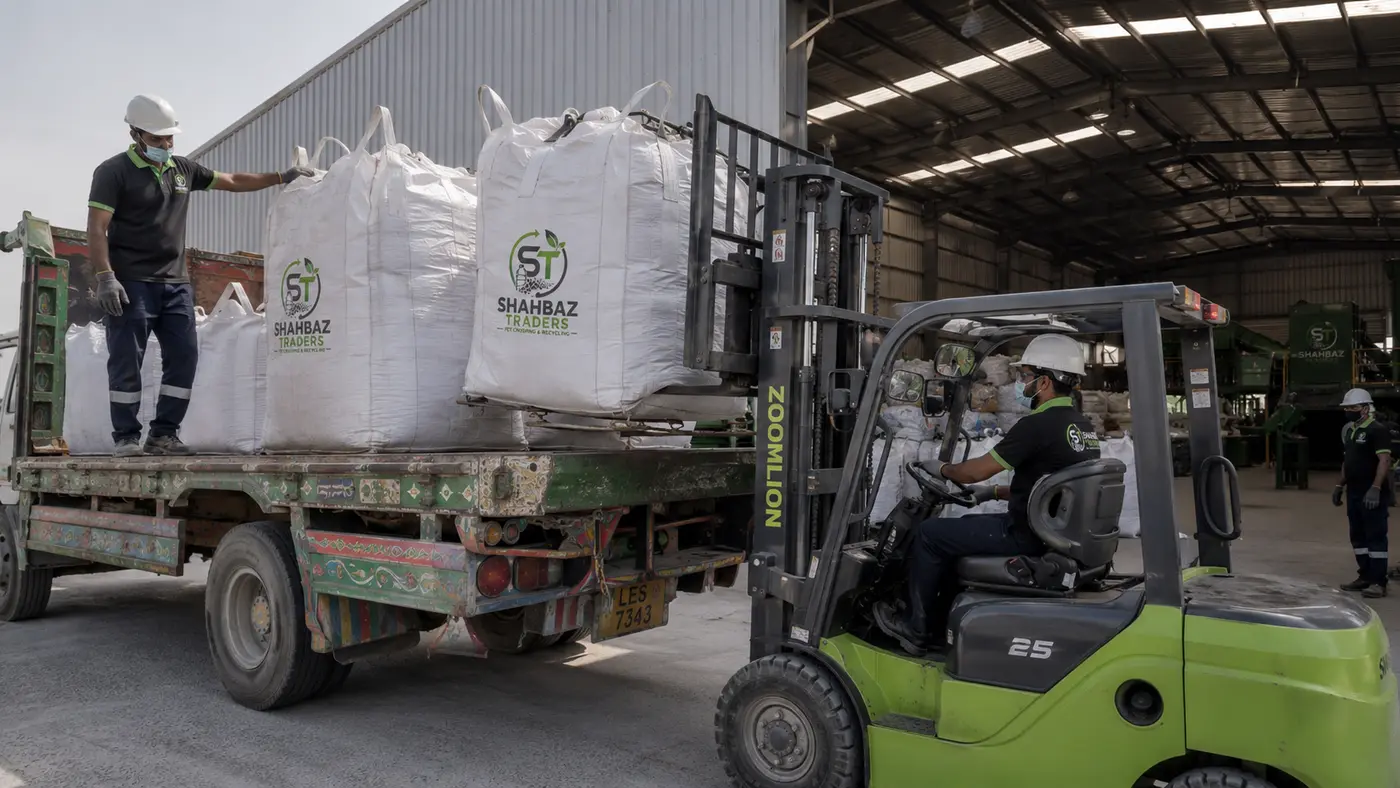
A practical playbook for Lahore & Faisalabad buyers to manage the winter rPET rate rise — timing, securing supply, and protecting margin without overpaying.
Raw PET bottle rates typically firm in winter — here is why, what sets your rate in Lahore, and how collectors and suppliers can make the most of the season.
Whether you have PET to sell or need premium recycled flakes, our team is ready to help you build a cleaner, more profitable supply chain.
Tell us your grade, application and monthly volume. We’ll quote with the spec behind it — COA & TDS on request.
Fair buy-back rates, honest weighing and prompt payment for vendors, factories and collection points.