
Not all recycled PET flake is equal, and switching suppliers mid-production is expensive. Use these 10 questions to vet an rPET supplier in Pakistan before you commit volume — so you get consistent quality, documentation and supply you can plan around.
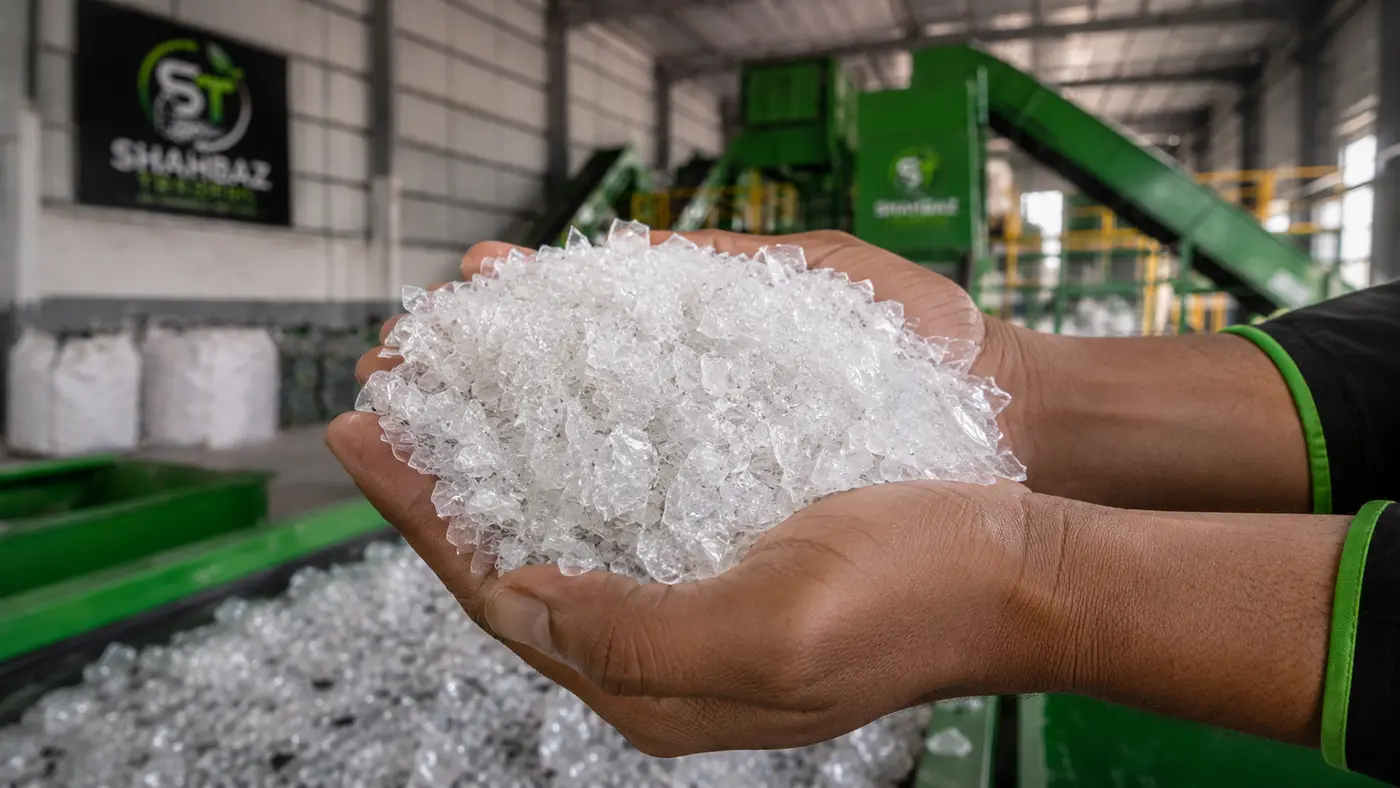
For a manufacturer, changing raw-material supplier is never trivial. A flake that looks fine in a bag can still cause fines, colour issues, moisture problems or line stoppages once it hits your extruder or spinning line. The goal of supplier selection is not to find the lowest price per kilo — it is to find the lowest total cost, including quality, consistency and reliability.
Here are the ten questions that separate a dependable rPET supplier from a risky one.
A Technical Data Sheet states the target spec; a Certificate of Analysis reports the actual measured values for the lot you’re buying. Reputable suppliers issue a COA with every shipment. If a supplier can only offer a single, old certificate, that is a red flag. (See our guide on how to read an rPET COA.)
These four numbers drive processability. Ask for typical ranges and how tightly they are held. Match them to your process rather than assuming "higher is always better".
Hot-washed flake is cleaner and higher-grade; cold-washed is cheaper but only removes surface dirt. Make sure the wash type matches your application (hot vs cold wash explained).
One good sample proves little. Ask how they maintain consistency — sorting discipline, wash-line control, and per-lot testing. Request COAs from several recent lots to see the spread, not just the best day.
Confirm monthly capacity and how they handle demand spikes. A supplier who over-promises and under-delivers will stop your line as surely as bad quality will.
If appearance matters to your product, confirm they sort by colour and can supply the stream you need consistently.
Ask specifically how they keep PVC and PP/PE (caps) out — float-sink separation, sorting, and testing. PVC is the single most damaging contaminant in PET processing.
A trustworthy supplier welcomes this. Run the sample under real conditions before committing volume — it is the single best predictor of how the material behaves for you.
Where do they ship, in what packaging, and how quickly? Reliable bulk logistics is part of the product, especially for buyers outside the supplier’s home city.
Agree pricing basis, payment terms and who to call if a batch is off-spec. Clear terms and a responsive contact prevent small issues from becoming production emergencies.
| Criterion | Green flag | Red flag |
|---|---|---|
| Documentation | COA per lot + TDS | One old certificate |
| Consistency | Similar COAs across lots | Wide variation / no data |
| Sampling | Offers a trial sample | Refuses samples |
| Reliability | Clear capacity & lead times | Vague on volume |
| Support | Named contact, clear terms | Hard to reach |
Request a sample and its Technical Data Sheet from Shahbaz Traders — test the numbers on your own line before you commit.
Request a Quote WhatsApp usReflects standard procurement and quality-assurance practice for recycled PET flake. Chart weighting is illustrative.