Cutting Your Packaging Carbon Footprint with Recycled PET: A Guide for Pakistani Brands
Recycled PET lets Pakistani brands cut the footprint of their packaging and textiles while telling a credible sustainability story. Here is how rPET helps, what to claim honestly, and how to build recycled content into your supply chain.
Sustainability · 31 Aug 2026 · 10 min read
Key takeaways
Using recycled PET instead of virgin resin reduces the energy and raw-material demand behind your packaging and textiles.
rPET diverts bottles from landfills and waterways — a tangible, local environmental benefit in Pakistan.
Sustainability claims must be honest and specific; vague "eco" language is a risk, not an asset.
Recycled content supports ESG goals and increasingly matters to export buyers and brand partners.
Building rPET into your supply chain starts with a documented, reliable local supplier.
Sustainability has moved from a nice-to-have to a commercial requirement — especially for brands that export or supply larger partners. For anyone using PET packaging or polyester textiles, recycled PET (rPET) is one of the most practical levers available in Pakistan: it lowers the footprint of your material, diverts local waste, and gives you a story you can actually back up.
This guide is about using rPET credibly — the real benefits, what you can honestly claim, and how to build it into your supply chain.
How recycled PET lowers your footprint
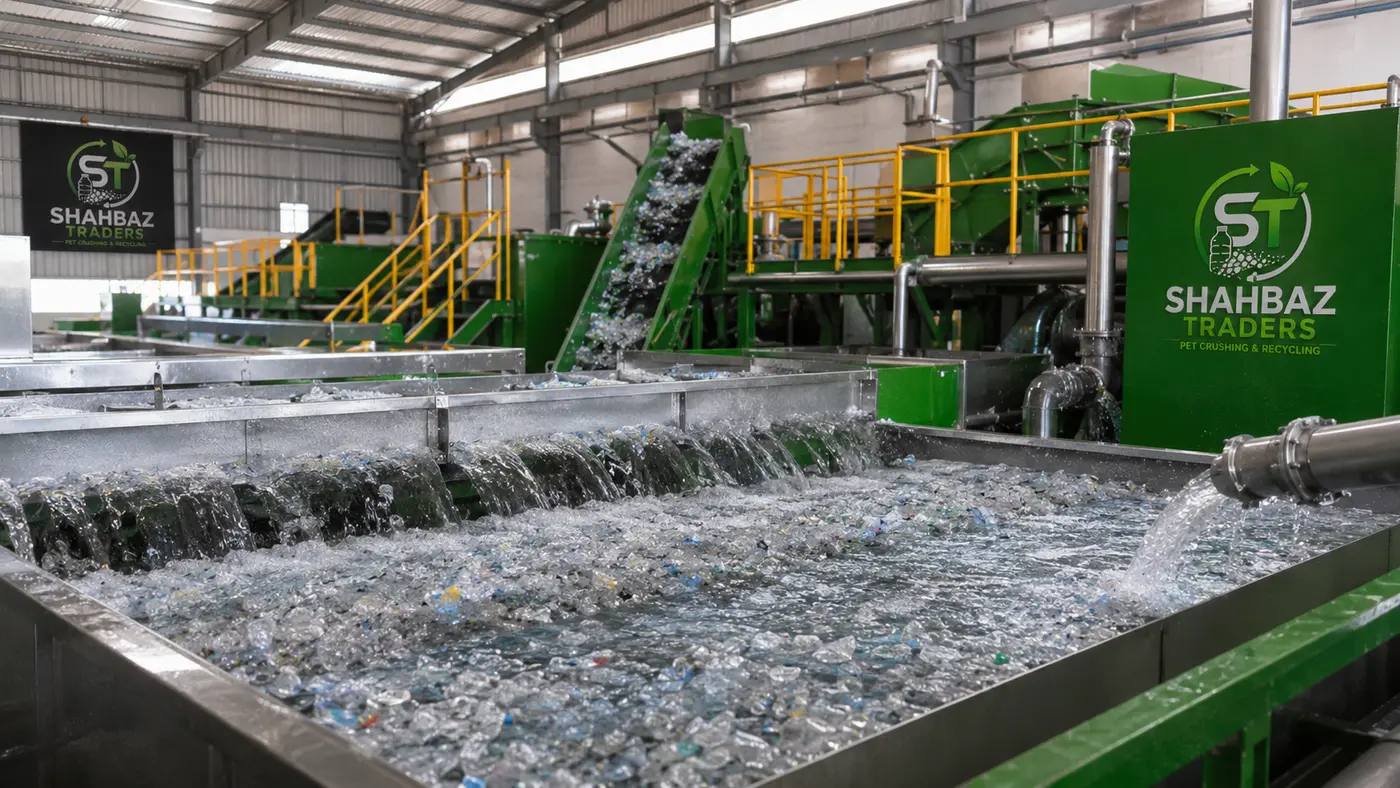
Every tonne of PET you source as recycled flake is a tonne you did not have to make from virgin resin. Mechanical recycling — collecting, sorting, crushing and washing bottles into flake — reuses material that already exists, avoiding the energy and feedstock needed to produce new polymer. For a brand, the benefits show up in three ways:
Lower material footprint — recycled content reduces reliance on virgin, import-linked resin.
Waste diverted — bottles that might have been landfilled or littered become raw material instead.
A circular story — "made with recycled content" that is real and traceable.
Where recycled PET helps your sustainability profile (illustrative)Illustrative — the benefit mix depends on your product and how much recycled content you use.
What you can claim — honestly
Credible sustainability communication is specific and verifiable. Vague claims like "eco-friendly" or "green" invite scepticism and, increasingly, scrutiny. Instead:
State the recycled content you actually use ("contains recycled PET") rather than implying more than is true.
Keep documentation — where your rPET comes from and its specification — so claims are defensible.
Don’t confuse recyclable with recycled — they are different claims.
Be clear on food contact — standard rPET is for industrial/non-food use unless specifically approved (see food-grade rPET).
Honest, specific claims are stronger marketing and lower risk.
Why it matters commercially in Pakistan
Beyond doing the right thing, recycled content is becoming a condition of business. Export buyers and multinational brand partners increasingly ask about recycled content and responsible sourcing. Domestic conversations around Extended Producer Responsibility (EPR) point the same way. Brands that build recycled content into their products now are getting ahead of requirements rather than scrambling later.
How to build rPET into your supply chain
Identify where rPET fits — packaging, strapping, sheet, or polyester textiles.
Define the spec you need (grade, colour, IV/moisture for technical uses).
Find a documented local supplier who can provide a TDS and per-lot COA.
Trial a sample on your line before committing volume.
Lock in reliable supply so recycled content is consistent, not occasional.
The foundation of any credible recycled-content programme is a supplier who delivers consistent, documented material — because your claims are only as good as your traceability.
Starting a buy-back loop of your own
Some brands go further and close the loop directly — collecting their own PET waste (or their customers’) and channelling it back into recycling. If your business generates bottles, a simple buy-back or collection arrangement turns a cost into both a small revenue stream and a stronger sustainability story.
Building recycled content into your products?
Talk to us about consistent, documented rPET supply — or setting up a buy-back loop for your PET waste.
Does using recycled PET actually reduce environmental impact?
Yes. Using rPET instead of virgin resin reuses material that already exists, avoiding the energy and feedstock needed to make new polymer, and it diverts bottles from landfills and waterways. The size of the benefit depends on how much recycled content you use.
Can I label my product "eco-friendly" if it uses rPET?
Be careful. Vague claims like "eco-friendly" are risky. It is stronger and safer to state specifically that the product "contains recycled PET" and keep documentation on the source and specification to back it up.
Is recycled PET food-grade for packaging?
Not by default. Standard washed rPET is for industrial, non-food applications. Food-contact recycled PET requires a specific, officially approved decontamination process and documentation.
How do I start using recycled content in Pakistan?
Identify where rPET fits in your products, define the spec you need, find a documented local supplier who can provide a TDS and per-lot COA, trial a sample, and then lock in reliable supply so recycled content stays consistent.
Reflects general principles of recycled-content sourcing and responsible sustainability claims. Chart values are illustrative.