How to Sell Post-Consumer PET Bottles in Pakistan: Rates, Grading & Buy-Back
If your business, collection point or scrap operation generates PET bottles, that material has real value. This guide explains how PET buy-back works in Pakistan, how loads are graded and weighed, and how to get the best, most transparent price.
Suppliers · 10 Aug 2026 · 10 min read
Key takeaways
Post-consumer PET bottles are a paid commodity in Pakistan — vendors, factories, hotels and collection points can all sell them.
Price depends on cleanliness, colour (clear pays more than mixed/coloured), moisture, and how well non-PET material has been removed.
Baled, sorted, dry material fetches a better rate and lower deductions than loose, wet, contaminated loads.
A trustworthy buyer offers transparent weighing and prompt payment — insist on both.
Consistent supply and cleaner loads earn better long-term rates and priority pickup.
Post-consumer PET — the empty clear and coloured bottles left after drinks are consumed — is one of the few kinds of "waste" that reliably pays. Across Pakistan, recyclers actively buy PET bottles because they can be crushed and washed into recycled flakes that manufacturers want. If you run a factory, hotel, event business, housing society, municipal contract or scrap operation, you are likely sitting on a sellable stream.
Here is how to turn it into money — cleanly and fairly.
Collection points & kabaris — who aggregate household bottles.
Municipal & society contractors — who manage waste at scale.
Whatever the source, the same rules decide what you get paid.
What determines your rate
Buyers pay for usable PET, not weight alone. Five factors move your price:
What raises the buy-back rate for PET bottles (relative impact, illustrative)Illustrative — actual rates depend on the buyer, volume and market at the time.
Cleanliness & moisture — dry, dirt-free bottles are worth more; wet or muddy loads lose value.
Colour — clear PET generally pays more than green/blue/mixed.
Contamination — non-PET plastics, caps (PP/PE), metal and glass cause deductions.
Form — baled/compacted loads transport efficiently and often earn a better net rate than loose bags.
Keep PET separate from other plastics and general waste at source.
Empty and drain bottles; avoid liquids that add weight and cause "wet" deductions.
Separate by colour where possible (clear vs coloured).
Remove obvious non-PET — caps and non-PET items where practical (a good buyer will advise what matters most).
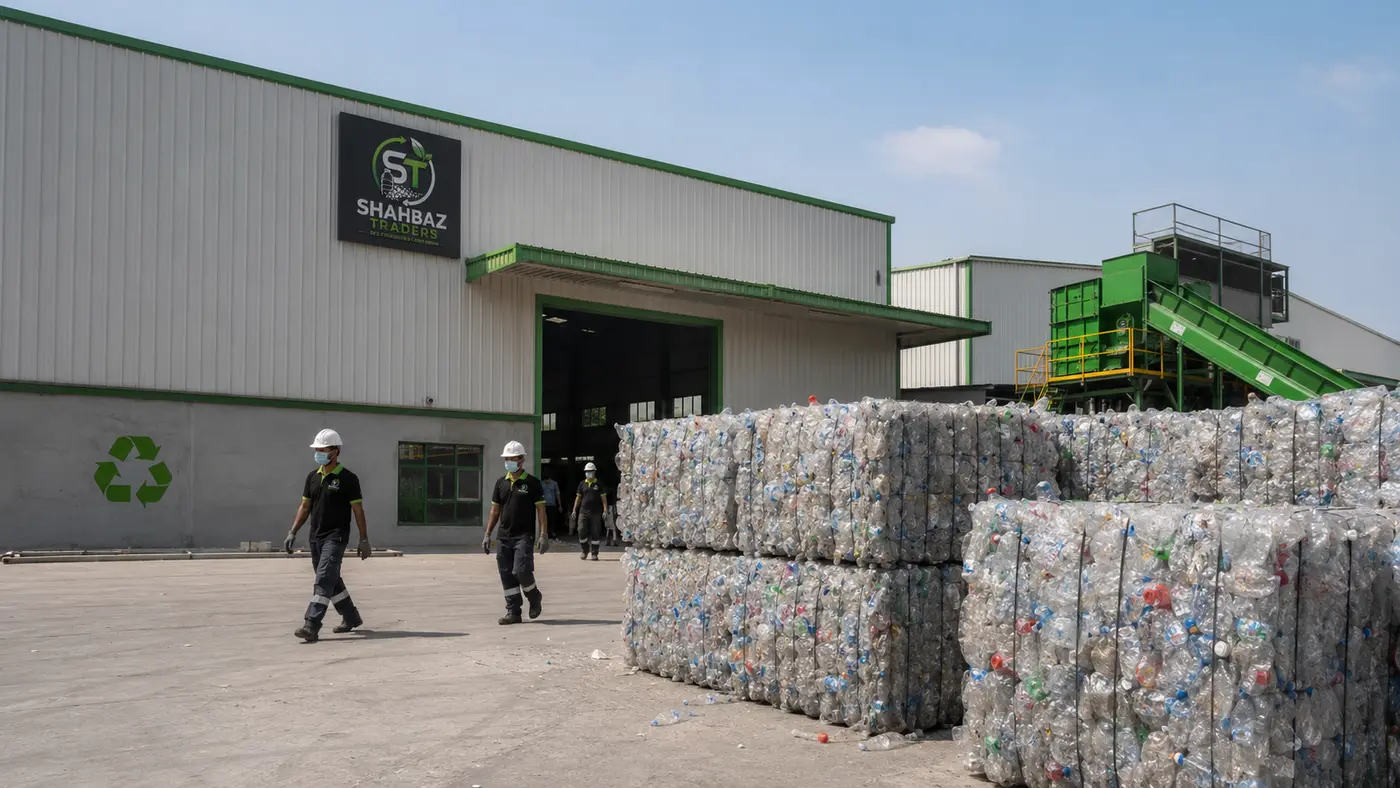
Compact or bale if you have the volume — it cuts transport cost and improves your rate.
You do not need a perfect load. But every step you take toward clean, sorted, dry, compacted PET moves the price in your favour.
How weighing and payment should work
This is where trust matters most. A professional buy-back partner will:
Weigh transparently on a calibrated scale, in front of you where possible.
Explain any deductions for moisture or contamination clearly, before finalising.
Agree the rate up front based on the grade of your material.
Pay promptly on agreed terms — no indefinite delays.
If a buyer is vague about weight, keeps changing the rate after weighing, or delays payment, treat that as a warning sign.
Selling regularly vs one-off
One-off loads are welcome, but the best rates and reliable pickups go to regular suppliers. If you can commit to a steady volume, tell your buyer — it lets them plan logistics and often improves your pricing and priority. Setting up a simple routine (separate bin, weekly or monthly pickup) turns an occasional sale into a dependable income stream from material you were discarding anyway.
Selling to Shahbaz Traders
We run a buy-back programme for vendors, factories, hotels and collection points, with transparent weighing and prompt payment. Tell us roughly how much PET you generate and how often, and we’ll advise on preparation and arrange collection.
Have PET bottles to sell?
Message us your estimated volume and location — we’ll quote a fair buy-back rate and arrange pickup.
It depends on the day’s market, your load’s cleanliness and colour, and whether it is baled. Clean, dry, colour-sorted, compacted PET earns the best rate; loose, wet or contaminated loads earn less after deductions. Ask your buyer for the current grade-based rate.
Do I need to remove caps and labels before selling?
It helps but is not always required — recyclers remove them during processing. However, cleaner loads with fewer non-PET items usually get a better net rate and fewer deductions, so remove what is practical.
Is clear or coloured PET worth more?
Clear PET generally sells for more than green, blue or mixed-colour bottles, because clear flake has wider, higher-value applications.
Do you collect from my location?
We arrange collection for suitable volumes. Share your location and estimated quantity and we’ll confirm pickup options.
Guidance reflects standard PET buy-back and grading practice. Chart values are illustrative for explanation only.