Raw PET Bottle Rates in Winter: A Guide for Suppliers & Collectors in Lahore

For collectors, kabaris and businesses in Lahore that gather PET bottles, winter is usually when raw bottle rates firm up. Here is why that happens, what sets your rate, and how to make the most of the season.
Suppliers 10 min read By Shahbaz Traders, Okara

Raw PET Bottle Rates in Winter: A Guide for Suppliers & Collectors in Lahore
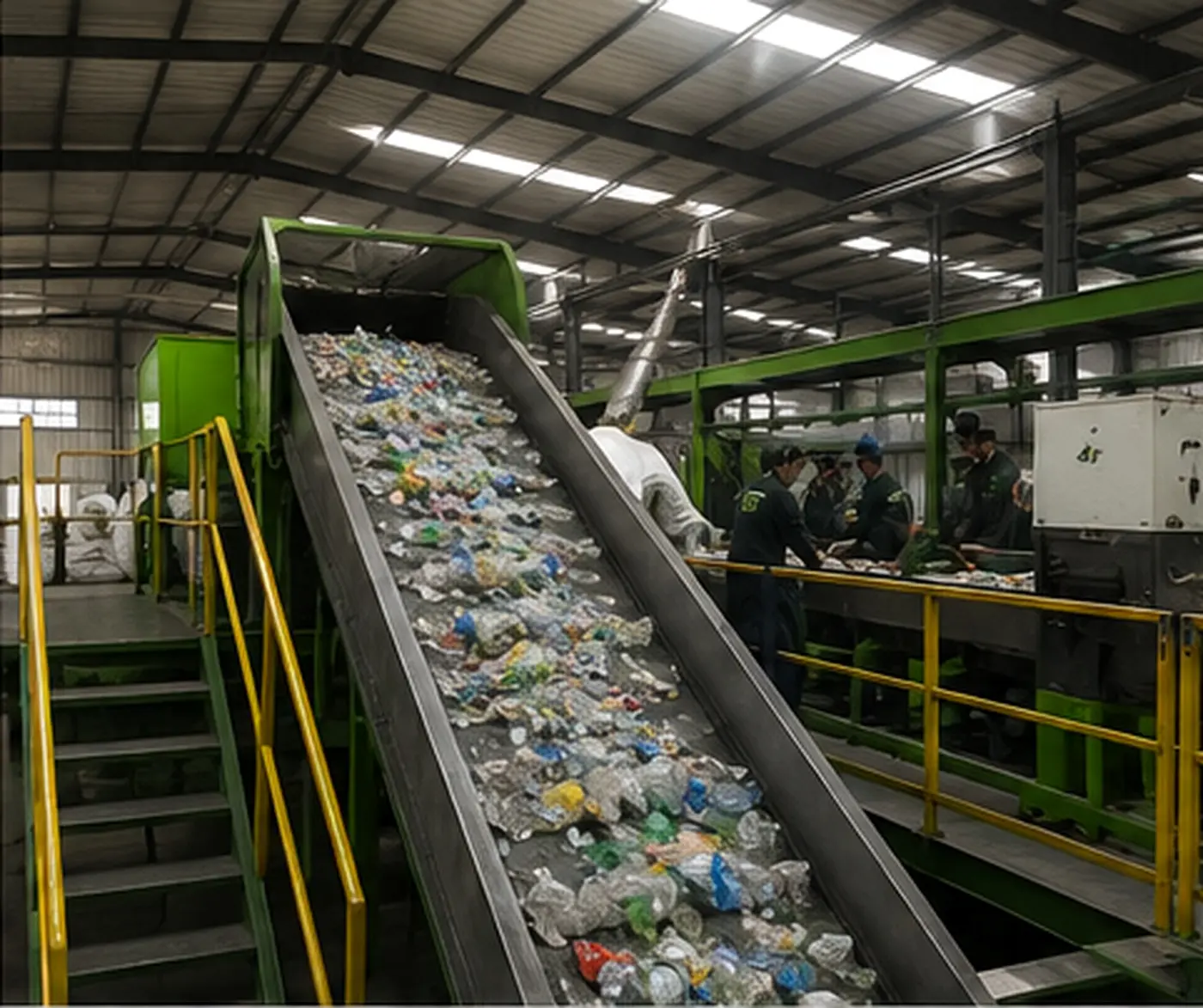
Photographed at our Okara facilitySuppliers

Key takeaways

  • Raw PET bottle rates in Lahore tend to firm in winter because collection slows while recyclers still need feedstock.
  • Your rate depends on cleanliness, colour, moisture and how well non-PET is removed — not weight alone.
  • A tighter market rewards clean, dry, colour-sorted and baled loads with a better net rate.
  • Winter can be a good selling window — but consistency and preparation are what capture the premium.
  • A trustworthy buyer weighs transparently and pays promptly; insist on both.

If you collect or aggregate post-consumer PET in Lahore — as a kabari, a collection point, a housing society, or a business with a steady bottle stream — the season affects what you earn. Through winter, raw PET bottle rates generally firm up, because the supply of bottles tightens while recyclers still need to feed their crushing and washing lines. Understanding that dynamic helps you time your sales and prepare your loads to capture the best rate.

Why winter lifts raw bottle rates

It comes down to supply and demand for feedstock:

  • Collection slows. Cold weather means fewer cold drinks and bottled-water sales, so fewer empties enter the stream, and shorter days make collection harder.
  • Recyclers keep buying. Crushing and washing plants need a steady flow of bottles to keep running, so demand for feedstock holds even as supply dips.
  • Competition for material. When bottles are scarcer, buyers compete for them — and that competition tends to lift the rate paid to collectors.

The same seasonal squeeze that raises costs for flake buyers can work in a collector’s favour on the raw side.

What sets your rate (any season)

A firmer market helps, but your load quality still decides most of your price. Buyers pay for usable PET, not weight alone:

What raises your raw PET bottle rate (relative impact, illustrative)
Clean & dryhighestColour-sorted (clear)highBaled / compactedbetter logisticsCaps & labels removedfewer deductionsLoose, wet, mixedlowestIllustrative — actual rates depend on the buyer, volume and market at the time.
  • Cleanliness & moisture — dry, dirt-free bottles are worth more; wet loads lose value.
  • Colour — clear PET generally pays more than green, blue or mixed.
  • Contamination — non-PET plastics, caps, metal and glass cause deductions.
  • Form — baled or compacted loads transport efficiently and often earn a better net rate.
  • Volume & consistency — regular, sizeable loads earn priority and better pricing.

Sell or hold? Timing the winter window

Because rates firm in winter, some collectors ask whether to hold material for a better price. A few practical points:

Raw PET bottle rates — what moves them

▲ Pushes rates UP

  • Winter collection slowdown
  • Steady recycler demand for feedstock
  • Clean, sorted, baled material
  • Rising virgin PET & oil / weaker rupee

▼ Pushes rates DOWN

  • A mild winter keeping supply up
  • Weak downstream flake demand
  • Wet or contaminated loads
  • Falling virgin PET & oil / stronger rupee

Holding stock ties up space and cash and risks the material degrading if stored poorly — so “hold for a higher rate” only makes sense if you can store clean and dry, and if the market is clearly firming. For most collectors, the better strategy is to sell consistently and prepare well, capturing the season’s firmer rates on clean, baled loads rather than gambling on the peak.

How to capture the best rate

  1. Keep PET separate and dry from the point of collection.
  2. Sort by colour where you can — clear commands more.
  3. Remove obvious non-PET and, if you have volume, bale it.
  4. Sell regularly to a buyer who weighs transparently and pays promptly.

For the full mechanics of selling, see how to sell PET bottles in Lahore & Faisalabad, and for the flake side, why rates rise in winter.

Have PET bottles to sell in Lahore this winter?

Message us your estimated volume and location — we’ll quote a fair buy-back rate with transparent weighing and prompt payment, and arrange collection.

Request a Quote WhatsApp us

Frequently asked questions

Do raw PET bottle rates go up in winter?
They generally firm, because collection slows in the cold while recyclers still need feedstock, so buyers compete for scarcer material. Clean, sorted, baled loads capture the most of that firmer rate.
Who buys raw PET bottles in Lahore?
Recyclers like Shahbaz Traders run buy-back programmes for collectors, kabaris, societies and businesses, with transparent weighing and prompt payment, and arrange collection for suitable volumes.
Should I hold my PET bottles for a higher winter rate?
Only if you can store them clean and dry and the market is clearly firming. Holding ties up space and cash and risks degradation — most collectors do better selling consistently with well-prepared, baled loads.
How do I get the best rate for PET bottles?
Keep them clean, dry and colour-sorted, remove obvious non-PET, bale if you have volume, and sell regularly to a buyer who weighs transparently and pays promptly.

Reflects standard PET buy-back and seasonal supply behaviour. Chart values are illustrative for explanation only.
Ready to turn PET into value?

Whether you have PET to sell or need premium recycled flakes, our team is ready to help you build a cleaner, more profitable supply chain.

Buyers

Need rPET flakes?

Tell us your grade, application and monthly volume. We’ll quote with the spec behind it — COA & TDS on request.

Suppliers

Have PET bottles to sell?

Fair buy-back rates, honest weighing and prompt payment for vendors, factories and collection points.